Are Drone Tariffs Going to Make Our Hobby Too Expensive?
Updated August 18, 2026: This article reflects the drone tariff rules announced as of this date. The policy and its implementation may change as additional guidance is issued.
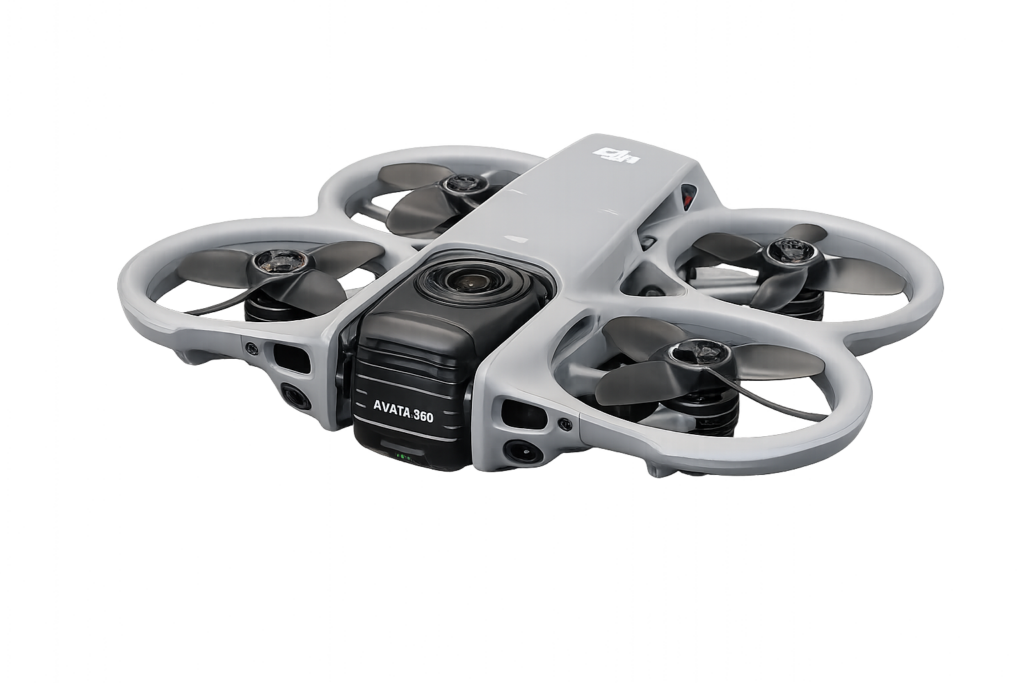
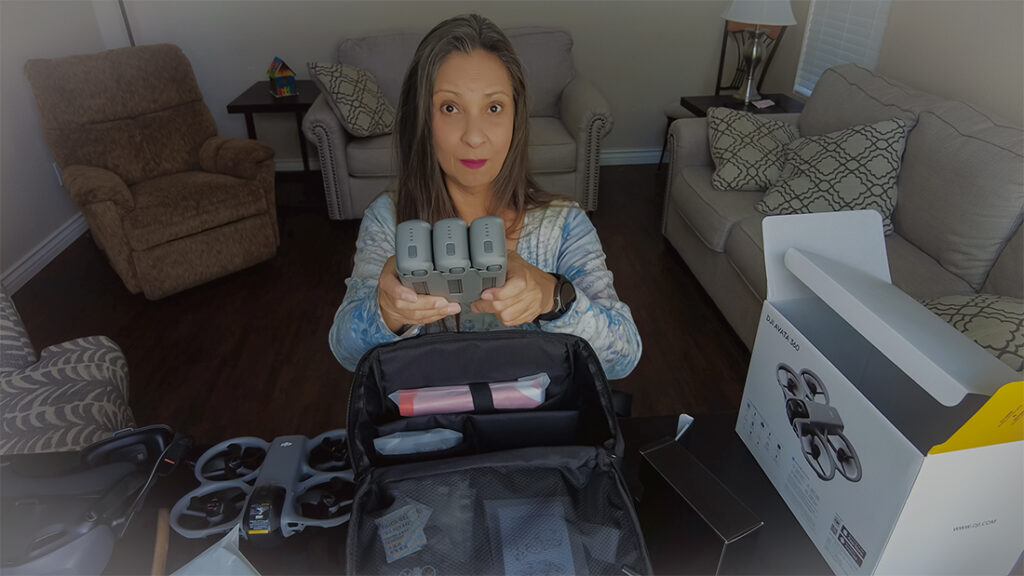
I own several drones: a DJI Mini 4 Pro, Mini 5 Pro, Neo, and Avata 360. I didn’t buy them to build some giant commercial drone operation. I bought them because I love flying.
So when I read that new drone tariffs were coming, my first thought wasn’t about international trade, manufacturing, or supply chains.
My first thought was: Is my hobby eventually going to become too expensive for people like me?
That is the part of this story I care about.
Plenty of places explain tariffs, national security, and American manufacturing. Those things matter, but I started looking at this as someone who loves drones.
I already invested money into this hobby. I invested time learning to fly, learning the rules, and figuring out what each of my drones can do.
I’ve written before about how getting into the drone hobby turned into something much bigger than simply buying a drone for me.
And I know I’m not the only one.
Many recreational pilots aren’t trying to build a drone empire. We fly because it gets us outside. We take pictures. We make videos. We explore. We learn something new.
Some pilots might occasionally make a little money with their drone, but for many of us this is first and foremost something we enjoy.
So what happens to us?

First: Your Current Drone Isn’t Suddenly Going Anywhere
This was the first thing I wanted cleared up.
The new Drone Tariffs proclamation applies to covered drones being imported into the United States beginning September 3, 2026. It does not place a new tariff on the drone already sitting in your house.
It also isn’t an order telling recreational pilots to stop flying the drones they already own.
In other words, September 3 is not doomsday for drone pilots.
If you already own a drone, the Drone Tariffs does not suddenly make that drone unusable.
That distinction matters because when headlines start throwing around numbers like 25% and 100%, it can sound much scarier than what is actually happening.
What Are the New Drone Tariffs?
The U.S. government wants to reduce the country’s dependence on foreign-made drones and drone components and encourage more production in the United States.
According to the August 13, 2026 presidential proclamation, the new tariffs create different rates depending on the type of drone and whether certain exceptions or qualifying lower rates apply.
Large drones over 25 kilograms, drones with thermal imaging capabilities, docking stations, and certain specified components can face a 100% tariff.
Smaller drones weighing 25 kilograms or less without thermal imaging generally fall under the 25% category, although qualifying products from certain countries may receive lower Drone Tariffs.
Most of us flying little camera drones aren’t shopping for 25-kilogram aircraft.
We fly the Minis, Neos, and other small drones that fit in a bag and come along with us to the park.
And that is where my concern really begins.

Does a 25% Drone Tariffs Mean Prices Will Go Up 25%?
Not necessarily.
This matters because it’s easy to see “25% tariff” and assume a drone that costs a certain price today will automatically cost exactly 25% more after September 3.
That isn’t how we should look at it.
U.S. Customs and Border Protection explains that the importer is ultimately responsible for paying duties on imported merchandise. What happens to the final retail price after that can depend on the manufacturer, distributor, retailer, supply chain, and other costs.
A company might absorb some of that extra expense. It might pass some of it along to customers. It might pass most of it along.
We don’t know yet what the final price increases will look like for individual consumer drones.
That is why I don’t think we should panic.
But I also don’t think recreational pilots should ignore what is happening.

Should I Rush Out and Buy Another Drone Before September 3?
This was one of my first thoughts too.
If drones get more expensive, should I hurry up and buy what I want now?
For me, the answer is no.
At least not just because a date is approaching.
If I was already planning to buy a particular drone, found a good price, and could comfortably afford it, that would be one thing.
Buying an expensive drone that I don’t really need because I’m afraid I’ll never be able to afford another one is something entirely different.
We don’t know yet exactly how retailers will respond. We don’t know what future models will cost. We don’t know what manufacturers might change in their supply chains.
The proclamation also includes incentives intended to encourage companies to manufacture more drones and drone components here in the United States.
So I’m watching.
I’m not panic-buying.
What I’m More Worried About Is the Replacement Drone
Honestly, the only thing I am really worried about is whether my Mini Pro 4 and 5 will work. Will my NEO work, and let’s not forget my latest addition to my fleet, my Avata 360.
Today, I’m okay.
But drones don’t last forever.
We crash them. Batteries age. Technology changes. Parts wear out. Sometimes something stops working.
What worries me isn’t waking up on September 3 and discovering that I can’t fly.
It’s looking a few years down the road and needing to replace one of my drones only to discover that the affordable choices I used to have are no longer affordable.
That’s a very different concern.
And right now, I think it’s a legitimate one.
Replacement parts and repairs are another area I’ll be watching.
Certain other drone components are scheduled for a 25% tariff beginning February 9, 2027, according to the proclamation.
We don’t yet know exactly how all of that will eventually affect what an average hobbyist pays to keep a drone flying.
How will the Drone Tariffs affect Pilots Who Make a Little Money?
Another group keeps coming to mind.
Maybe you mostly fly because you love it, but every once in a while you use your drone for a small paying job.
You’re not running a giant company with a fleet of aircraft.
Maybe your drone helped you turn something you enjoy into a little extra income.
Those pilots could feel rising equipment costs even more.
A large company may be able to build higher equipment costs into its business.
Someone doing an occasional small job may not have that same flexibility.
If replacing a damaged or outdated drone eventually requires a much larger investment, some smaller operators may have to decide whether continuing is financially worth it.
I’m not saying that’s definitely going to happen.
I’m saying that’s one of the things worth watching.
Could These Tariffs Actually Help in the Long Run?
Possibly.
I don’t want to look at only one side of this.
The stated goal of the tariff policy is to increase drone and drone-component manufacturing in the United States, reduce dependence on foreign supply chains, and encourage companies to invest in American production.
The proclamation even creates an onshoring incentive program for companies willing to build or expand U.S. manufacturing facilities.
If that works, maybe we eventually end up with more drones and components being made here.
Maybe more competition develops.
Maybe new affordable choices appear.
I would love to see that happen.
But building an industry doesn’t happen overnight.
And recreational pilots still have to live through whatever happens between where we are today and where the drone market eventually ends up.
That’s the part I’ll be watching.
Is My Drone Hobby Coming to an End?
After reading all of this, I keep coming back to my original question.
Is my time with this hobby coming to an end?
Right now, I don’t believe it is.
The drones I already own are still here, and right now I still get to enjoy them.
But I do think the days of simply assuming that the next affordable drone will always be waiting on the shelf may be changing.
And that makes me appreciate what I already have a little more.
I’m going to take better care of my drones.
I’m going to make smarter purchasing decisions instead of buying because something new and shiny comes along.
I’m going to watch prices, watch what manufacturers do, and pay attention as these policies develop.
But I’m not giving up flying because of what might happen.
I’ve invested too much time into learning this hobby, and more importantly, I enjoy it too much.
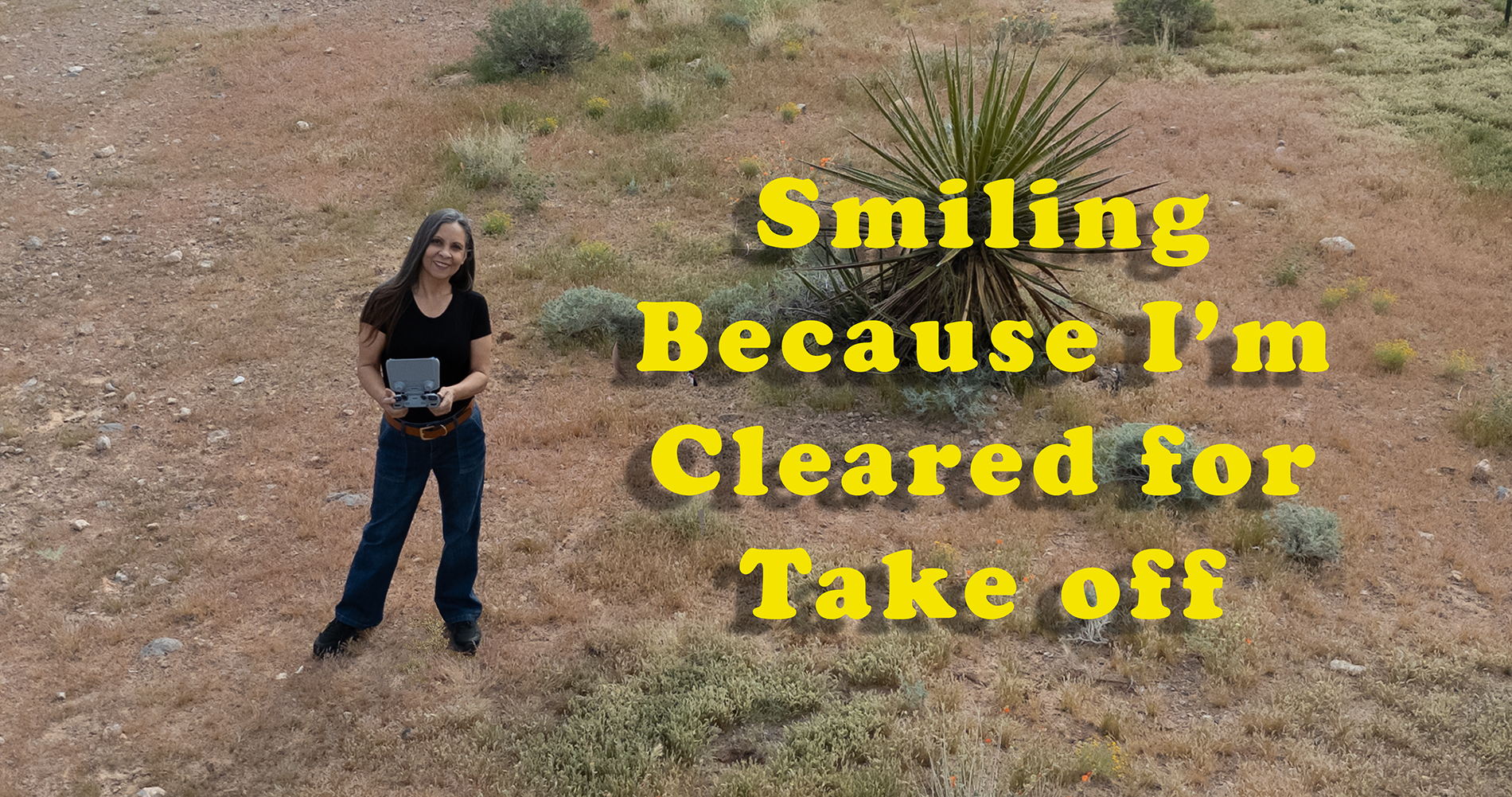
So for now, my drones are staying charged.
My controller is staying ready.
And I’m going to keep flying for as long as I’m allowed and able.