
Category: family

  • Setting Boundaries with Family: The Essential Guide to

    Setting Boundaries with Family: The Essential Guide to

    Setting boundaries with Family Matters

    Setting boundaries with family has been one of the most challenging yet essential lessons of my life. For a long time, I believed a boundary was nothing more than a rule—a line I expected other people not to cross. To me, it was a limit meant for others to follow. But time after time, I ended up frustrated when people broke through those boundaries. I couldn’t understand.

    The Difference Between Boundaries and Consequences

    Setting boundaries

    Now, when I look back, I realize that I was blurring the line between a boundary and a consequence. I found myself disappointed again and again by giving people another chance. I became emotionally exhausted. I was building walls to shut out others. I needed to find a way to set healthy boundaries.

    And while that protected me in the moment, it also made me sad and guilty, because many of the people I shut out were family and loved ones.

    What a Boundary Really Is

    It was when I learned that a boundary doesn’t actually work on other people that things began to shift. A boundary is not a rule, and it’s not a punishment. A boundary is something I set for myself. It’s the way I decide to act when someone crosses the line of what I can emotionally or mentally handle.

    That realization changed everything. Instead of trying to control others, I began to ask myself questions:

    • Who is adding to my emotional stress?
    • What is my relationship with them?
    • What kind of personalities do I want to surround myself with?
    • How do I feel when I’m with them?
    • How can we contribute positively to each other’s lives?

    Protecting Your Peace Through Boundaries

    Asking these questions gave me clarity about which relationships needed limits and which ones lifted me. From there, I built a solid course of action. When my peace or mental health feels threatened, I no longer argue, warn, or beg someone to change—I act. Sometimes that means reducing socialization, and sometimes it means complete avoidance. In short, setting boundaries with family has become the way I protect my peace.
    A Hard Lesson: Not in My Home

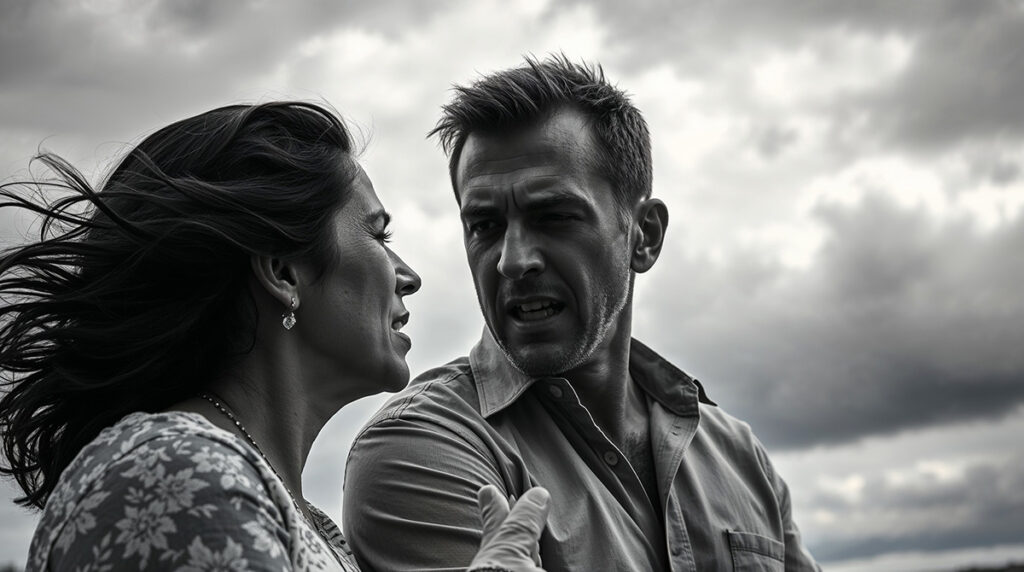
    But boundaries aren’t just for acquaintances or distant relatives—they’re most critical when the people crossing the line are your own children. Setting healthy boundaries with adult children is incredibly emotional because love and responsibility often cloud the ability to stand firm.

    I’ve learned that in the heat of the moment, words can come out sounding like threats, especially when you’re dealing with painful situations like theft, damage, or repeated broken trust. Pleading, crying, or lecturing never worked for me. What did work was stepping away, calming down, and deciding on actions that would truly protect me—not just in the moment, but long-term.

    Protecting Your Peace and Sanity: What a Boundary Really Is

    Setting boundaries with family—or anyone close to you—is rarely easy. But sometimes the situation leaves no other option. For example, imagine realizing that valuable items are going missing from your home. It’s devastating, but it also signals that action is needed.

    In cases like this, boundaries may involve securing your belongings, seeking legal advice, or even taking the difficult step of eviction. Though painful, these choices are not emotional reactions—they are clear statements: “This behavior is not welcome in my home.”

    The process is never easy. Eviction, for instance, can bring both sadness and relief. Yet it can also create the space needed for healing. And while change may take years, sometimes those firm boundaries are the very thing that opens the door to recovery.

    Boundaries Are Commitments to Yourself

    Experience taught me that setting boundaries with family doesn’t destroy love—it protects it. I have learned that a boundary is not a wall to keep others out. By setting boundaries, I am instead creating a door or a path to a better and stronger relationship.

    What Comes Next

    Although we have had a healthy outcome, I remain constantly prepared. I am never sure that we will never return to those dark and scary days. As a result, I have adjusted my boundaries and will never let go of what I’ve learned.

    And I can’t say it enough: by protecting our peace and standing firm, we not only survive but also create the space for healing, no matter the outcome.

    Adding Expert Insight: Why It Matters

    Mayo Clinic 👉 Q&A article that resonates deeply: It explains a critical principle, sometimes referred to as the “law of relationships”: we cannot control others; we can only control our own responses, thoughts, and feelings. This idea helped me clarify where my responsibility ends, and someone else’s begins—a realization that gave real shape and intention to the boundaries I now set for myself, rather than merely imagining them as rules for others to obey.

    Boundaries extend far beyond our personal lives. They’re also about the choices we make to safeguard our future. In my post on planning for uncertain times, I explain how simple habits—such as tracking expenses and prioritizing needs—help me establish healthier boundaries with money, time, and energy.
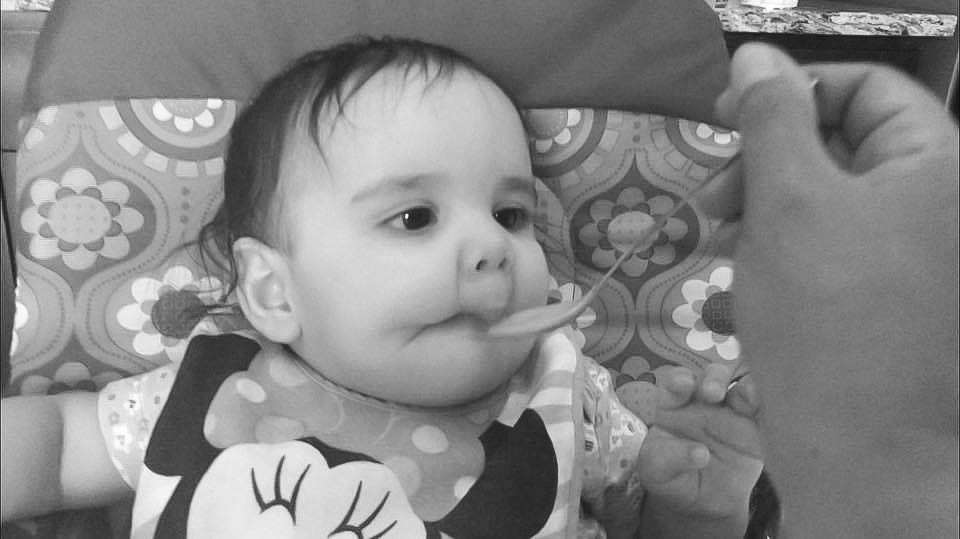
  • Raising grandchildren: quiet stories of love, and sacrifice.

    Raising grandchildren: quiet stories of love, and sacrifice.

    Raising grandchildren often carries quiet stories of love, sacrifice, and loneliness that few people ever see.

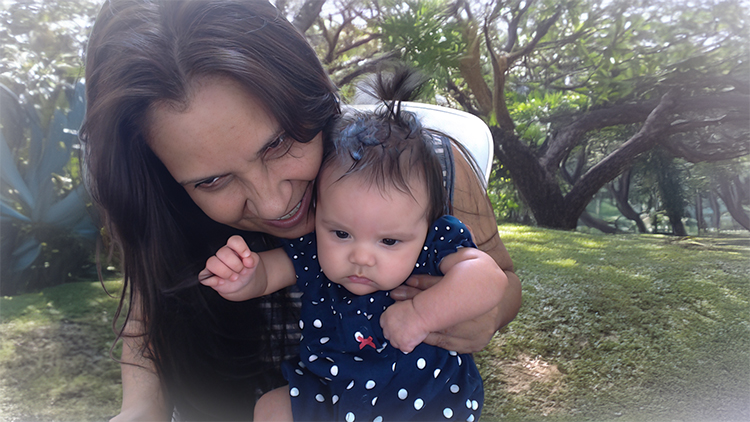
    When I began raising my granddaughter, she was just five months old. I was 54, newly retired, and a widow. Life had already thrown me some curveballs, but I embraced this wholeheartedly—even though I had no idea how deeply it would affect my world.

    The Quiet Side of Love: A Grandparent’s Honest Story About Raising a Grandchild Alone

    “While the invitations may slow, your heart will grow in ways you never imagined.”

    raising grandchildren

    A Different Path Than My Peers

    At an age when many of my peers were planning vacations or diving into retirement hobbies, I was navigating baby bottles and diaper changes. Most women my age were still working or had the freedom to enjoy an empty nest. I had a crib in my bedroom and sleepless nights ahead.

    The Loneliness No One Talks About

    Suddenly, I could not attend events or gatherings without childcare. Social invitations began to fade. I quickly realized that being a widow raising a baby made me an anomaly. Some did not know what to say most just stopped reaching out.

    And that kind of isolation… it can be too real.

    Two Friends Who Stayed

    Despite the loneliness, I was never completely alone. Two dear friends stood by me—and still do to this day. They understood without judgment, supported me without condition, and reminded me that I mattered beyond my role as a caregiver. It was because of them that even though we were alone, we never felt lonely.  

    Pushing Through for Her

    I tried to take my granddaughter out to help her make friends. But connecting with younger parents was hard. When they found out I was the grandmother, walls often went up. I suppose I didn’t fit their mold of a typical “mom friend.”

    Then came COVID-19. We were completely isolated. I do not know what would have happened if not for my good friends, who were also my neighbors. We spent more than a year just the two of us. When the pandemic was officially over, my granddaughter suffered socially.

    Despite the isolation and loneliness, we came out of it winners. All that time alone allowed me the time to really get to know my granddaughter. So, something good came out of it. We were also fortunate to have never gotten COVID.

  • Financial Help for Grandparents Raising Grandchildren

    Financial Help for Grandparents Raising Grandchildren

    Financial Help for Grandparents Raising Grandchildren: Living on a Fixed Income and One Illness Away.

    I never expected to become a full-time parent again. Yet here we are, raising grandchildren on retirement income, Social Security checks, pensions, or limited savings. We stretch every dollar for groceries, school supplies, braces, dance lessons, and birthdays.

    There are no employer benefits.
    No paid sick days.
    No backup plan is built into retirement.

    And sometimes, late at night, one question rises above the rest:

    What happens if I get sick?

    Financial Help for Grandparents Raising Grandchildren

    Financial Help for Grandparents Living on a Fixed Income While Raising a Grandchild

    Raising a child full-time while living on a fixed income is a financial balancing act.

    Retirement income is predictable—but expenses are not.

    My granddaughter is growing. Her shoes will not grow with her. School activities and medical bills appear without warning, and inflation quietly erodes what used to be “enough.”

    When you’re a grandparent caregiver, you’re managing two timelines at once:

    • Your later-life financial stability
    • A child’s growing needs

    That pressure is real—and it deserves to be acknowledged.

    Just One Illness Could Change Everything

    It doesn’t take much—a hospital stay, surgery, or long-term medication—and suddenly, everything changes. I’m not just talking about health. I’m talking about losing the home we’ve constructed together, the meals we enjoy, and the stability she’s come to know.

    We’re not just raising kids—we’re risking everything to do it.

    What Safety Nets Exist?

    Here is a list of financial planning options I have reviewed so far:

    • Life insurance policies
    • Long-term care coverage
    • Legal guardianship planning
    • Emergency savings (if possible)
    • Kinship caregiver financial assistance programs
    • State-specific support services

    These tools can help—but they don’t erase uncertainty.

    Premiums are rising, and coverage is more likely to get denied when you need it most. For most, savings will not save you.

    Financial planning reduces risk—but it cannot eliminate the “what if.”

    Even a basic emergency binder with medical contacts, account information, school details, and guardianship instructions can bring peace of mind.

    Preparation turns fear into action.

    What About Little Things?

    It’s not just the major financial risks—it’s the daily spending.

    I’m doing her hair, taking her shopping for school clothes, and signing her up for dance or sports. These activities matter. They build confidence and help her feel normal.

    But what happens if I can’t afford them anymore?

    What happens if money becomes so tight that birthdays feel burdensome and Christmas feels like debt?

    These “small” things make childhood joyful. Losing them would be heartbreaking for both of us.

    Choosing Love Over Luxury

    Even with the financial risks, I choose to love every day.

    I’ve learned that raising a grandchild isn’t simply an act of love; it’s an act of sacrifice. We give everything—often too much.

    For Other Grandparents: You’re Not Alone

    If you’re reading this and nodding your head, please know you’re not alone. The fear and uncertainty are real, but so is the impact we’re making in these children’s lives.

    Talk to someone. Ask for help. Join a support group. Research every financial option available in your state or community. And most of all, don’t feel guilty for worrying. It means you care, and caring is what makes you the rock your grandchild needs.

    The greatest gift you can give your grandchild is you.  You provide consistency, protection, stability, and love!

  • Boats, Boating, and Pure Joy at Lake Mead Marina

    Boats, Boating, and Pure Joy at Lake Mead Marina

    Lake Mead Marina is not just for boating. When people search for this Marina they typically find details about boating—launch ramps, slips, rentals, and days spent on the water. That’s exactly what greets you on arrival: boats gliding across the marina, engines droning as they head onto Lake Mead.

    But that wasn’t the reason for our visit.

    We came for something simpler—and completely free.

    Lake Mead Marina is A Free Family Alternative to the Las Vegas Strip 🚤🌞

    About 25 miles (40 minutes) from the Las Vegas Strip, Lake Mead Marina offers a very different experience. Instead of crowds, lights, and costly attractions, you find open water, desert air, and space to breathe.

    This experience is free, and you can watch boats come and go and enjoy the view. It’s a refreshing, no-cost alternative for families, especially grandparents with grandkids, to the noise and price of the Strip.

    No need to worry about tickets or reservations. No hurry, so you can take your time.

    Just water, wildlife, and space to enjoy the moment.

    Feeding Catfish and Ducks (And the Laughter That Followed) 🐟🦆🍿

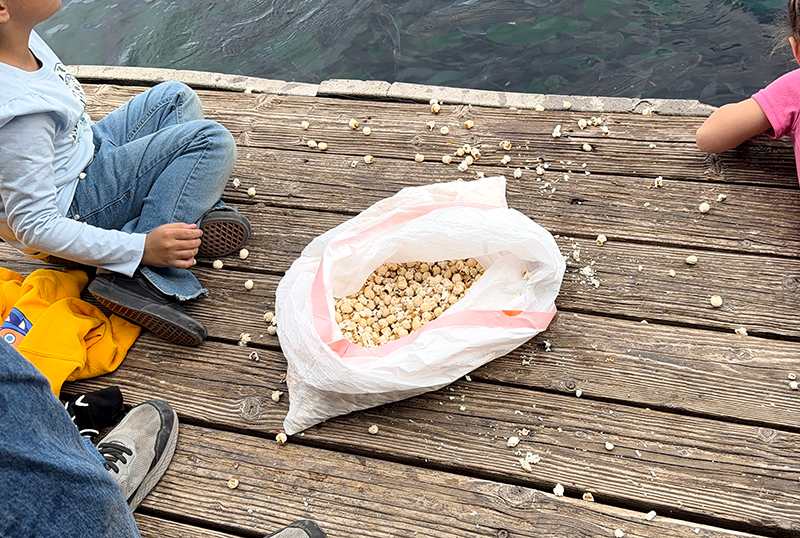
    We brought a big bag of popcorn, and the moment it hit the water, everything changed.

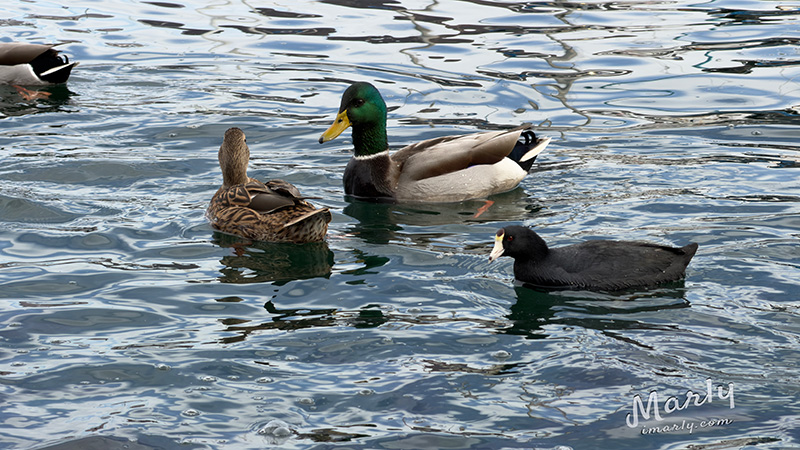
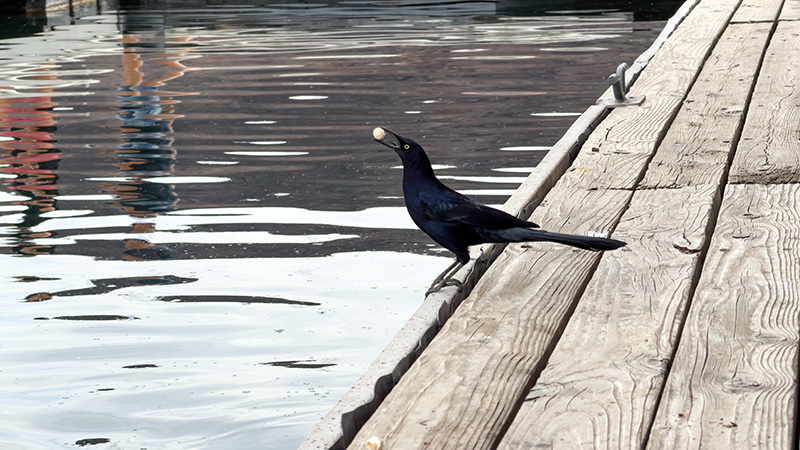
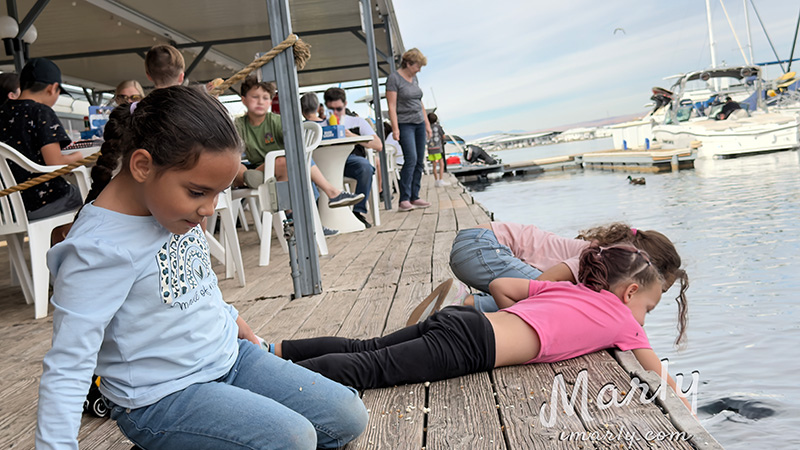
    Within seconds, hundreds of catfish gathered, swirling below the surface. The water churned as they competed for food—some even leaping out to catch popcorn. Ducks swooped in and joined the frenzy.

    And then came the sound.

    Loud laughter.
    High-pitched squealing.
    Excited, shouting every time a fish leaped from the water.

    The grandchildren were mesmerized. Each handful of popcorn brought new energy—simple joy needing no planning or explanation, just a railing above and surprises below.

    Boats moved in the background, steady and calm, while chaos unfolded at our feet.

    Grab a Bite at The Boat House 🍔

    If you stay longer, try The Boat House, a casual bar and grill at the marina. Boaters and visitors gather for burgers, sandwiches, drinks, and comfort food with a water view.

    You don’t have to be boating to enjoy it. After feeding the fish, it’s easy to stop, cool off, and keep the relaxed vibe going.

    Why Lake Mead Marina Is More Than Boats

    Lake Mead Marina is known for boats and boating—and that brings energy to the place. But within that boating culture is something quieter and just as meaningful.

    Free entry.
    Wildlife up close.
    Kids laughing at jumping fish.
    A peaceful alternative to the Las Vegas Strip.

    Sometimes the best memories aren’t made under neon lights.

    The real magic of Lake Mead Marina is this: incredible family memories can be made, free from crowds, simply by connecting with nature and one another—just steps away from the water, laughter echoing all around.

  • Raising Grandchildren When There’s No Time to Decide

    Raising Grandchildren When There’s No Time to Decide

    Raising Grandchildren When There’s No Time to Decide: A Grandparent’s Story of Stepping In

    Raising grandchildren is something I never imagined for myself, but life has a way of placing us into roles we didn’t see coming. One moment, I was stepping into a new career as a flight attendant—ready to explore a different chapter of my life—and the next, I found myself as the full-time parent to my granddaughter.

    There was no time to weigh the pros and cons. I said yes without hesitation. I fully embraced the role, but if I’m honest, I didn’t know what I was getting into.

    The Early Warning Signs I Chose to Ignore

    If you’re wondering what to know before raising your grandchild, let me start by saying: listen to your gut. In my case, the relationship between her parents was rocky, though at the time, I chalked it up to young adults trying to figure things out.

    I made a conscious decision to stay out of their arguments, thinking it would avoid drama. I believed that their issues were between them and that my granddaughter would be spared. But as the tension escalated, it became clear that wasn’t the case. My neutrality only made me a target, and my silence did nothing to protect her.

    What Happens When You Step in Without a Plan

    Here’s the most important message I want to share: Even if you believe you are raising grandchildren in a good home, ask yourself this tricky question:

    If something were to happen to their parents tomorrow, could you step in and raise them?

    Whether it’s conflict, illness, addiction, or even a natural disaster, life doesn’t always come with a warning. You may not see any red flags, but that doesn’t mean you’re off the hook for thinking ahead.

    If you’re a grandparent, especially to young children, assess your situation honestly. Consider your relationship with your adult children, your ability to set boundaries, and your emotional readiness to take on such a life-changing role.

    Raising Grandchildren

    The Story Isn’t Over: A Journey in Progress

    My granddaughter is now seven. I’m still her full-time guardian. The challenges haven’t disappeared—but neither has my commitment. In upcoming posts, I’ll share how I established healthy boundaries with both parents and how I protect my peace while raising hers.

    So no, there’s no neat conclusion to this story. This isn’t a tale wrapped in a bow. It’s a life in progress—and maybe, just maybe, someone reading this will be better prepared because of it.

    But this journey is far from over. It’s still unfolding every single day. My granddaughter is now seven years old, and I’m still learning, adjusting, and growing as both a grandparent and a full-time parent. If there’s one lesson I’ve learned above all, it’s this: boundaries matter—perhaps more than anything else.

    In my next post, I’ll dive deeper into how I began setting boundaries with both of her parents. Boundaries mean making intentional changes to enforce what I find acceptable and unacceptable. I’ve learned you can’t force people to do what they should do, but you can control how you respond. It’s not about changing others—it’s about changing your patterns and expectations.

    The biggest challenge in this process was neither parent. It was me. I had to confront my guilt, my desire to fix everything, and the fear of being judged. However, by establishing firm, loving boundaries, I’ve created a more stable and peaceful foundation. Boundaries don’t close doors; they open them to better outcomes. Stay tuned.

    Parents Helping Parents offers a helpful overview of what it means to step into a caregiving role later in life.

    👉 Raising Grandchildren: Support and Resources for Grandparent Caregivers
    https://parentshelpingparents.org/news/raising-grandchildren-support-and-resources-for-grandparent-caregivers

  • Wizard of Oz Sphere:

    Wizard of Oz Sphere:

    Real Advice for Families Before Buying Tickets

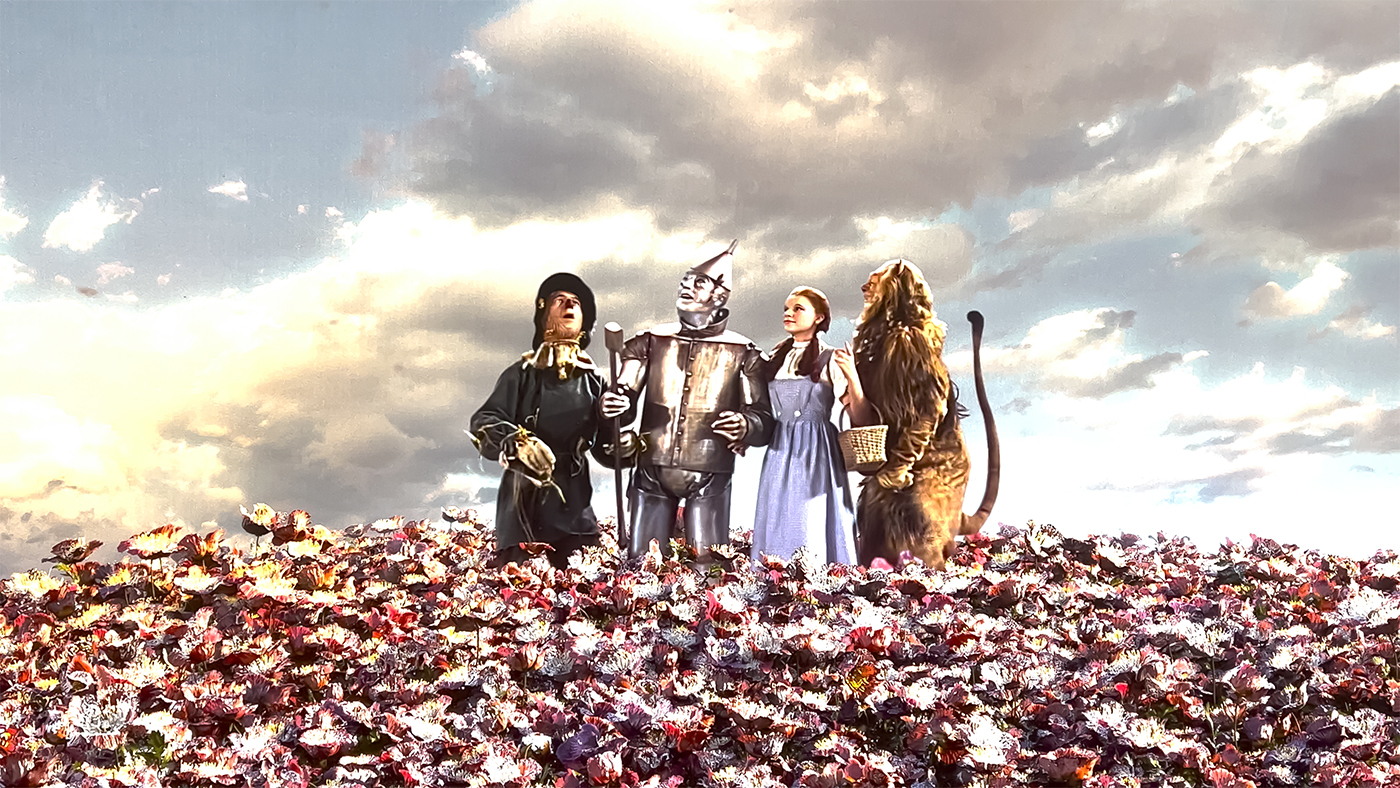
    When you hear about the Wizard of Oz Sphere in Las Vegas, most reviews will tell you about the breathtaking visuals, groundbreaking technology, and how this timeless classic magically brings the Wizard of Oz to life in ways never seen before. And while that’s absolutely true, I want to focus on a different perspective—what it’s like to attend the Wizard of Oz Experience with a child who is sensitive to sound, motion, and overstimulation.

    Our experience at the Wizard of Oz Sphere isn’t just a review of a show. It’s a real-life account of a grandparent navigating the magic and the challenges, and hopefully offering guidance to anyone considering taking a loved one who might experience the world a little more intensely.

    Preparing for the Wizard of Oz Experience

    Before we even bought tickets to the Wizard of Oz Sphere in Las Vegas, I already knew my granddaughter might have difficulty. She has always been sensitive to sound and motion. Still, I wanted her to experience the magic of the yellow brick road, just like Dorothy and Toto, in a way that could spark joy and wonder.

    So, I prepared.

    • I purchased seats close to the exit aisle so we could make a quick escape if things became overwhelming.
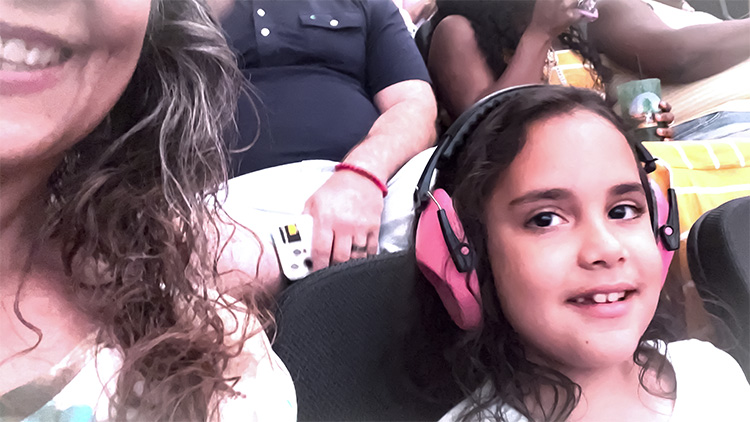
    • I brought along a headset to help my sensitive granddaughter manage the noise.
    • I mentally rehearsed how we would handle a potential meltdown, so neither of us felt “trapped” if it came to that.

    These precautions made me feel confident—at least enough to try.

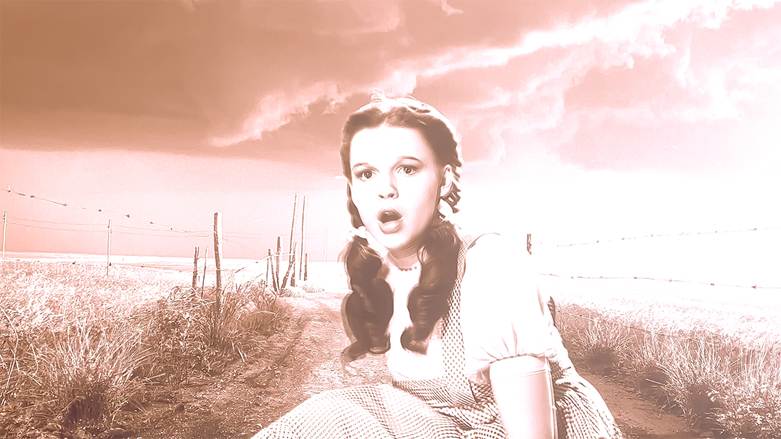
    The Tornado Scene: When the Magic Turned Overwhelming

    It was during the tornado scene that everything shifted.

    The sounds of the fans suddenly surrounded us. Debris flying around, and a rumbling floor that made even me feel slightly queasy. My granddaughter’s excitement quickly turned into fear. She pressed her hands tightly over her headset, shaking as tears filled her eyes.

    In that moment, it didn’t matter how much the tickets cost or how much I wanted to geek out over the incredible technology. My focus became 100% on helping my granddaughter cope with the overstimulation. We made our exit quickly, heading to the bathroom where she could regroup.

    For about 10–20 minutes, we sat together, calming her nerves. She slowly regained her composure. It broke my heart to see her so shaken, but what mattered most was that she felt safe and supported.

    Returning and Reframing the Experience

    The beautiful part is that we went back.

    After some time, she was able to return to the Wizard of Oz Experience with me. This time, the magic started to shine again. Her tears turned into smiles as she relaxed into fantasy.

     What began as a meltdown turned into a memory of resilience—for both of us.

    For me, this became less about watching an immersive spectacle and more about guiding her from fear to enjoyment. And in that way, I left with more than just a memory of the show—I went with a memory of our bond, and the reminder that sometimes joy is built in the recovery.

    Advice for Families Considering the Wizard of Oz Sphere

    If you or your loved one is sensitive, autistic, or prone to motion sickness, here are my takeaways before you invest in tickets (which are not cheap—we spent over $300):

    1. Select seats near the exit aisle for a quick and stress-free exit.
    2. Bring noise-reducing headphones or a headset—the sound can be intense.
    3. Prepare for physical effects—rumbling seats, rushing air, and simulated motion can trigger queasiness even for those who aren’t usually sensitive.
    4. Plan a calm space and take breaks as needed. Stepping out for 10 minutes can make the difference between leaving entirely or finishing the show.
    5. Manage expectations—if you have a sensitive child, be aware that certain aspects of the experience may be overwhelming; however, with proper preparation, the overall outing can still be a positive experience.

    On the other hand, if you’re wondering how immersive shows like this might affect people with autism, sensory sensitivities, or motion sickness, the entry on Virtual Reality Sickness offers valuable insight into why mismatches between what you see, hear, and feel can trigger nausea, dizziness, or sensory overload.

    Our night wasn’t perfect; there were tears, fears, and queasiness. Yet it ended with smiles, laughter, and a memory that my granddaughter and I will carry forward. For me, that made the Wizard of Oz Experience worth it.

    If you’re considering going, especially with someone who struggles with overstimulation, I hope my story helps you prepare—and maybe even salvage your own magical memory, just like we did.