Tag: ARFID

  • Adult picky-eater coping strategies

    Adult picky-eater coping strategies

    Adult picky-eater coping strategies can get stronger and produce real results, but that doesn’t happen overnight.

    Learning to Live With It — Part 3 of 3

    I did not wake up one morning and announce, “Today, I am eating a bowl of spinach.”

    I am still me. I did not suddenly become the mayor of normal eating. My food list is still a work in progress, but I am learning how to live with it better.

    Adult picky-eater coping strategies: I Do Not Owe Everyone My Entire Food History

    The biggest change was realizing I didn’t owe everyone a full explanation.

    For years, I tried to teach people my entire food history somewhere between the salad and the entrée. I explained. I defended. I pleaded. I provided so much information that I practically needed a PowerPoint.

    Short, honest sentences had more power than you would believe. Example – Oh! No, thank you. I am not in the mood for salad today, or I am saving room for the main course, and that looks yummy but I am going to pass.

    These are not lies. They are small truths that give people enough information without inviting a committee meeting about my plate.

    Made-up stories about allergies or dramatic medical reasons may answer one question, but they can create ten more. Friends and family who truly care may remember the story and worry. It can also make them nervous about inviting you anywhere food might appear.

    And food appears everywhere. It is very committed.

    Short honesty works better for me.

    Then I Became the Person Saying, “Just Try It”

    One of my funniest and most humbling lessons happened while I was having dinner with my nephew, who is an even more selective eater than I am.

    I ordered rice with my meal. He said he did not eat rice.

    And there I was, suddenly becoming the exact person I had complained about for decades.

    “What? How can you not like rice? Try it. Just take a bite.”

    Then I stopped myself.

    There it was—the urge.

    It was the same urge my friends had felt with me. I wanted him to try something so he could enjoy what I enjoyed. I wanted to share the meal. I wanted that happy little moment when someone takes a bite and says, “You were right. This is delicious.”

    If I, someone who understands extreme picky eating from the inside, could forget and pressure another picky eater, perhaps I could have more compassion for the people who had pressured me without understanding.

    That did not make the pressure okay.

    It did make it more human.

    Adult picky-eater coping strategies For Finding Foods That Work

    These days, I handle food awkwardness with less shame.

    I order simple foods containing only one or two ingredients. I eat the bread and happily let it take the blame. I pass on what I need to pass on. I do not announce that I am a picky eater unless there is a real reason to share it.

    At home, I have also found ways to work with my limited diet instead of constantly fighting against it.

    Smoothies have become one reliable way for me to eat more fruit and sneak in a vegetable. I prepare containers with banana, strawberries, pineapple, and spinach. After I add protein powder and blend everything together, the texture changes completely.

    That texture change makes the ingredients easier for me to accept.

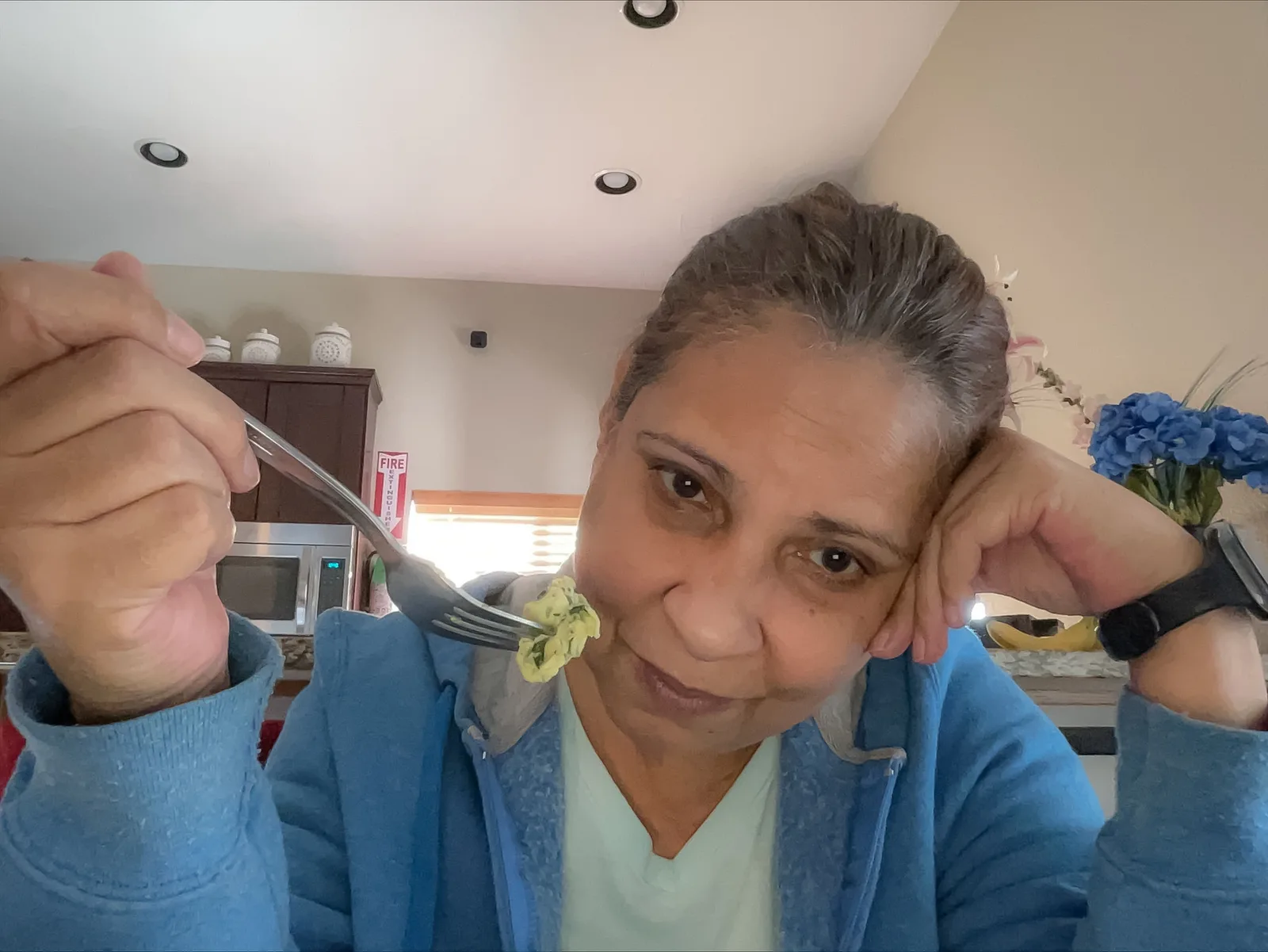
    Spinach has been one of my biggest surprises. I discovered that it has almost no taste when blended with other foods. Eventually, I tried cooking it into eggs, rice, and potatoes and found the texture didn’t bother me there either.

    I have also worked peppers, onions, and carrots into my regular diet.

    These may not sound like glamorous breakthroughs, and I probably won’t be invited to host a cooking show anytime soon. But they are breakthroughs to me.

    Safe Foods Still Have a Place

    Experimenting with new foods does not mean I no longer need my safe foods.

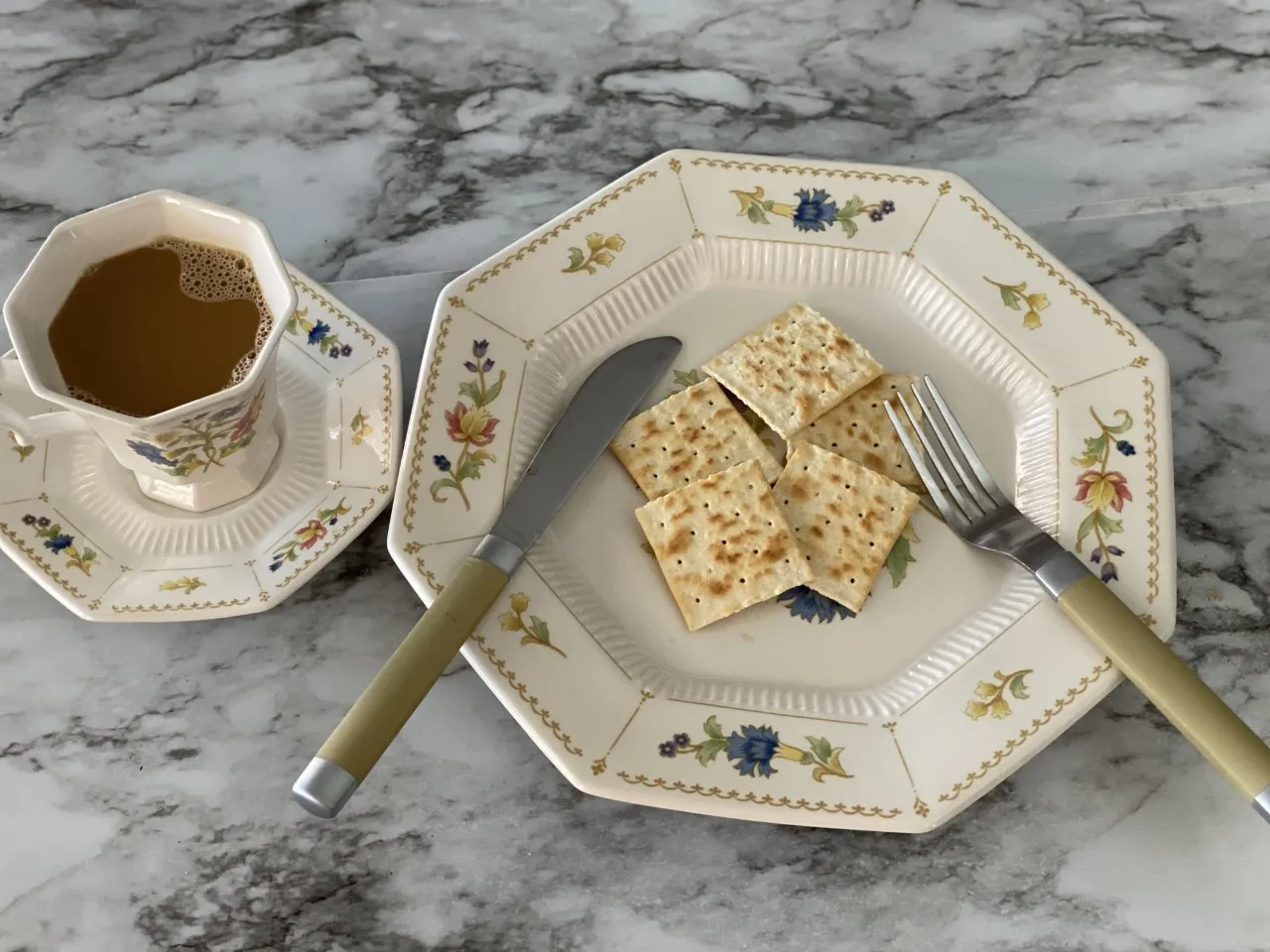
    Some days, my diet becomes a source of pressure, and I need eating to feel simple again. Crackers are one of my safest options. They quiet the hunger for a little while without creating another struggle.

    Chocolate cake is also a safe food.

    Is it healthy? I like to think it can be—especially if I indulge only about once a year. Sometimes enjoying a food that makes me smile, without fear or negotiation, is its own kind of relief.

    My Palate Is Still Changing

    Quitting smoking has also changed things.

    After more than 40 years, my taste buds seem to be waking up and looking around. Some foods I once disliked are now surprisingly good.

    Salmon. Greek yogurt. Water, of all things.

    I used to force myself to drink water. Now I actually enjoy it.

    My palate is still changing, and I am grateful for every small surprise.

    I know I am at a serious stage in my life. I am in my sixties, and I want my final chapters to be healthy, active, and full of connection. I worry about what a limited diet could mean for my future.

    I worry that even if my eating habits do not shorten my life, they could still affect its quality.

    But I am also determined.

    Adult picky-eater coping strategy Protect Your Peace

    To my fellow picky eaters, adults with ARFID symptoms, and anyone living with sensory food aversions: please do not let shame take everything from you.

    Learning to protect my plate is another form of setting boundaries without shutting out the people I love.

    I know it can take over because I let it drive for years.

    Protect your peace. Not every meal needs to become a courtroom. Look for foods you can eat, and experiment when you feel able. If you believe your food restrictions are affecting your health, nutrition, weight, or relationships, consider asking for help.

    And to the friends and families of adult picky eaters: I know you want the best for us. Your support can be wonderful, but pressure is exhausting.

    Sometimes the kindest response is simply, “No problem,” then letting the meal continue.

    If you believe your food restrictions are affecting your health, nutrition, weight, or relationships, you can learn more about ARFID symptoms, diagnosis, and treatment and consider speaking with a healthcare professional.

    I am still an extremely picky eater. I still hate parts of it. But I no longer let it decide every invitation, every friendship, or every bit of joy available to me.

    For now, that’s progress.

    And progress counts—even when it comes with a side of very plain rice.

    FAQ Ideas for SEO

    How can adult picky eaters handle social meals?

    Can taste buds change after quitting smoking?

    How can families support someone with ARFID or extreme picky eating?
  • Adult Picky Eaters and the Awkward Restaurant Problem

    Adult Picky Eaters and the Awkward Restaurant Problem

    Adult picky eaters encounter food almost everywhere.

    Adult Picky Eaters and the Awkward Restaurant Problem Part 2 of 3

    Birthdays come with cake. Holidays are represented by large, overflowing plates. Restaurants are where people go on first and second dates. Friends do not usually say, “Let’s sit somewhere and catch up.” They say, “Let’s grab lunch.”

    For most people, grabbing lunch is simple.

    For me, it used to feel like an obstacle course filled with menus, smells, questions, and the possibility of a surprise salad.

    When the Restaurant Felt Like a Stage

    I would meet friends at a restaurant, sit down, talk, laugh, and try to act like a normal human who had not already scanned the menu online three times.

    Then the waiter would arrive carrying a tray of salads and place one in front of everyone.

    Including me.

    I would stare at the plate and hope no one noticed I was not eating. Sometimes I would push the lettuce around with my fork, giving it a little tour of the plate. I would do almost anything to avoid the questions.

    But the questions usually came anyway.

    “What’s the matter?”

    “Are you okay?”

    “Is there something wrong with the food?”

    “You can’t eat salad?”

    “Have you tried it?”

    “Maybe just try one bite.”

    Suddenly, my eating habits became the main topic at the table.

    I would try to explain that I was not being rude. I was not rejecting the cook, the restaurant, the host, agriculture, or the entire concept of leafy greens.

    I simply could not eat the salad.

    As I explained in Part 1, my reaction to certain foods feels physical. My body and mind respond before my manners have a chance to intervene.

    I wanted to eat healthy. I wanted to be easy. I wanted to be the kind of person who could order the house salad and then casually discuss the weather.

    Instead, I became the food conversation.

    When Concern Starts Feeling Like Pressure

    That kind of attention is exhausting.

    The more people asked, the smaller I felt. By the time the entrée arrived, I would be anxious, tired, and already promising myself that I would never go out to eat again.

    No friends. No dates. No restaurants. Never again.

    For years, that is almost what happened.

    I began rejecting invitations that involved food. When I went to a restaurant, I often went alone. I loved my friends, but I did not have the emotional strength to keep pleading with them to understand something I hardly understood myself.

    I declined so many invitations that eventually they stopped coming. Then I stopped calling and answering phone calls.

    I became tired of being noticed while I ate.

    I felt alone. Then I felt angry.

    I felt judged and alienated because of picky eating that did not feel like my fault. For a while, I blamed everyone else.

    Adult Picky Eaters Looking at It Differently Now

    Now that I am in my sixties, I can see another side of it too.

    People were not always trying to embarrass me. Often, they were trying to include me. They wanted me to enjoy the meal the way they enjoyed it.

    They wanted me to have that one bite that would make me say, “You were right. This is delicious.”

    They did not understand that, for me, taking a bite could feel like panic instead of pleasure.

    Recognizing that did not erase the hurt or make the pressure okay. It did help me stop carrying all of it as anger.

    Learning about ARFID also helped me understand why food restrictions can interfere with relationships and social activities. So much of life happens around food.

    Medical information about ARFID also recognizes that food restrictions can interfere with social activities and relationships.

    Even for someone who has not been diagnosed with ARFID, extreme picky eating can create the same cycle of explaining, avoiding, hiding, rehearsing, and apologizing.

    What I Wish People Understood

    Adult picky eaters know that salad is healthy.

    We understand that salmon has nutrients.

    We also know your casserole is famous.

    And yes, we know that “just try it” sounds easy from the outside.

    But if trying it were easy, many of us would have done it years ago.

    The social pain of extreme picky eating is not only about the food. It is about feeling like you are too much trouble. It is about wanting connection while dreading the meal that comes with it.

    It is about loving people and still needing a break from their concern.

    That is a lonely place to sit, especially when everyone else at the table is simply eating dinner.

    Learning How to Return to the Table

    Today, I have become much better at keeping my eating habits from becoming the main attraction.

    Maybe people notice less because I am older. Maybe I have simply stopped caring so much about what other people think. I believe that change shows in my personality.

    Either way, I no longer feel obligated to explain my entire food history every time something remains untouched on my plate.

    Learning how to handle those moments without hiding from invitations took time. I had to find short answers, safer choices, and ways to protect my peace without removing myself from the people I cared about.

    Those are the coping strategies I will share in Part 3.

    I am still an extremely picky eater. The difference is that I am learning not to let every plate of lettuce decide whether I get to enjoy the people sitting around it.

    FAQ

    Why do some picky eaters avoid restaurants?

    Restaurants can be stressful when you are unsure what ingredients will be in a dish or whether it can be prepared in a way you can eat. I try not to order foods that will leave me picking out ingredients I cannot eat. It becomes messy, draws attention and can feel embarrassing.

    Resource: How to Help Someone With ARFID — Beat explains that ARFID can significantly affect someone’s lifestyle, including eating at restaurants, attending parties and traveling.

    How can ARFI affect relationships?

    ARFID can make dating, family meals and other social situations difficult. You may worry that someone will judge your eating, become frustrated with you or ultimately decide that you are unwanted. That fear can make it difficult to relax around food or explain what you are experiencing.

    Resource: ARFID information from the National Library of Medicine discusses the psychological and social effects of ARFID and how it can interfere with everyday functioning.

    What should you not say to an extreme picky eater?

    Avoid comments such as “Just try it,” “You’re being difficult” or “How can you not like that?” If someone says they are not hungry, let them be—you may not know what they are dealing with. If you have an extreme picky eater in your life, pressure, teasing and unwanted attention are unlikely to help. Sometimes the kindest thing you can do is simply let them eat—or not eat—without making it an issue.

    Resource: How to Help Someone With ARFID — Beat specifically recommends not forcing unfamiliar foods, tricking someone into eating or commenting on and watching what they eat.


  • I Am an Extremely Picky Eater, and It Is More Than Being Difficult

    I Am an Extremely Picky Eater, and It Is More Than Being Difficult

    I am an extremely picky eater, but even that does not fully describe what eating can be like for me.

    I Am an Extremely Picky Eater, and It Is More Than Being Difficult

    When people hear the term “picky eater,” they may picture someone standing in front of a buffet, acting dramatic because the green beans are not wearing the right outfit. But for some of us, picky eating is much more complicated than simply disliking certain foods.

    For me, it goes far beyond preference.

    I can look at a beautiful, colorful, fresh salad and honestly think, That looks so good. I should at least try one bite.

    Then I pick up the fork.

    Before the food even gets close to my mouth, I can feel the rumblings of a dry heave. The fear that I might throw up takes over, and my body says, “Absolutely not.”

    The gag reflex arrives like it owns the place, and no amount of positive thinking helps.

    I wish I could eat the salad. I really do. But this is a reaction to food that I have never been able to get past.

    extremely picky eater learns new foods

    Learning About ARFID

    For years, I thought this was simply me being an extremely picky eater.

    Then I learned there is a name for a condition involving food restriction that can go far beyond ordinary pickiness: ARFID, which stands for Avoidant/Restrictive Food Intake Disorder.

    ARFID can involve a very limited range of foods, strong sensory reactions to taste, smell, texture, or appearance, and difficulties involving nutrition, health, or everyday life.

    Please understand that I have not been officially diagnosed, and I am not trying to diagnose myself.

    Learning about ARFID did, however, help me understand that severe picky eating can be more than a preference. It gave me language for something I had struggled to explain for most of my life.

    My reaction to certain foods feels physical. It is not simply a decision I make at the dinner table.

    Every Picky Eater Has a Different Food Map

    My diet has been limited for most of my life. I dislike most vegetables and some fruits, but other picky eaters I have met are the exact opposite. Some eat mostly fruits and vegetables but struggle with meat or starches.

    That is one thing I have learned from being in online groups: picky eaters are not all picky in the same way.

    We each have our own little food map, and some of those maps are missing entire countries.

    Even my version of a salad looks different.

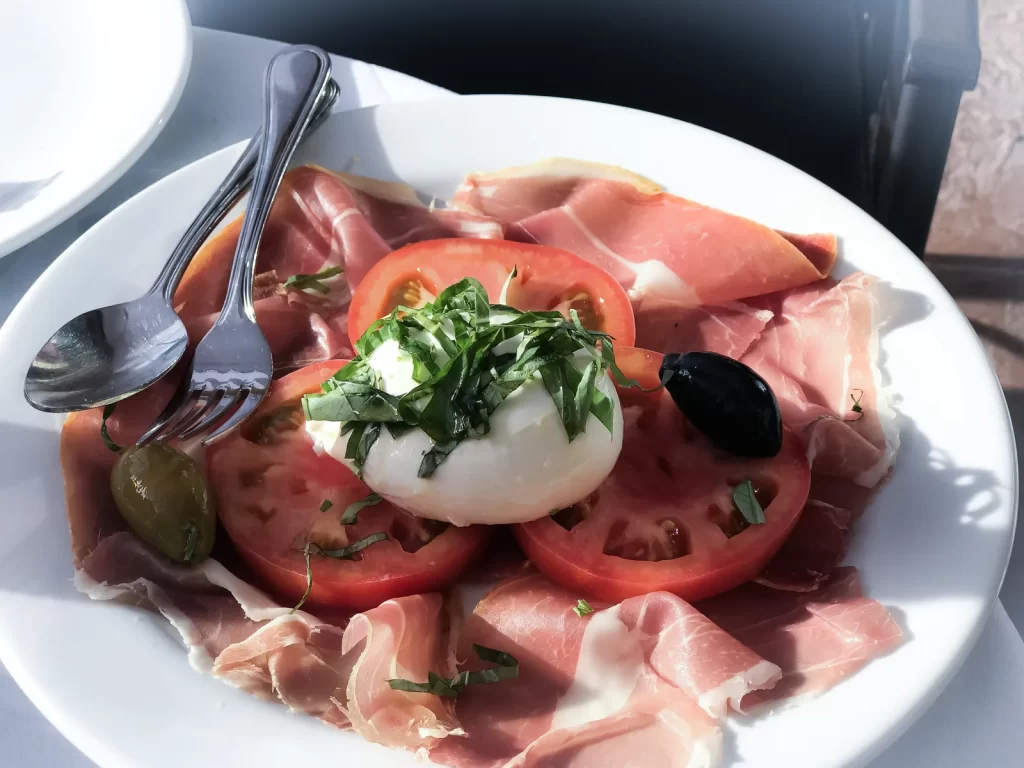
    An antipasto salad is probably the closest I will ever get to eating one. It contains several foods I already enjoy, so it feels familiar and safe. A traditional leafy salad may stop me before the fork reaches my mouth, but a plate filled with prosciutto, tomatoes, cheese, and other familiar ingredients can actually make me smile.

    That may not sound like a major difference to someone else, but it is a big difference to me.

    The Health Side Still Worries Me

    The health side of having such a limited diet has always worried me.

    As a child, I watched people in my family struggle with weight, and that frightened me. I did not want that future for myself. I have managed not to become obese, but I have still struggled with my weight throughout my life.

    Now I am in my sixties and still thinking about it.

    I quit smoking in March after more than 40 years, and the promised weight gain showed up right on schedule. I went from approximately 135 pounds to around 145, and apparently my metabolism did not get the memo that I was already dealing with enough.

    The CDC explains that increased appetite and some weight gain can happen after quitting smoking.

    Eating carefully feels like the only option I have. But eating carefully is difficult when many of the foods considered “right” or “healthy” are the same foods my body refuses.

    That is one reason I rely so much on movement. Staying active has been one of the tools that helped me avoid what I feared might become my family destiny. Exercise has not solved everything, but it gives me a way to keep fighting for my health using something I can control.

    Food does not always give me that same feeling of control.

    More Than a Preference

    I am sharing this because I want other extremely picky eaters—and the people who love them—to understand something important.

    This is not always stubbornness. It is not always immaturity. It is not always someone refusing to grow up and eat a vegetable.

    Sometimes it is a physical and exhausting challenge that follows a person throughout life.

    It can also affect much more than what appears on someone’s plate. When so much of life happens around food, being unable to eat what everyone else is eating can become complicated very quickly.

    That is the part of the story I will share next.

    And yes, I still wish I could eat the salad. I really do.

    I just wish the salad understood that too.

    FAQ

    What is ARFID in adults?

    Avoidant/Restrictive Food Intake Disorder (ARFID) is an eating disorder that causes someone to severely limit the amount or variety of foods they eat. This may be driven by food textures, smells or appearances, a lack of interest in eating, or fear of choking or vomiting—not by concerns about weight or body shape. Learn more from the National Institute of Mental Health.

    Is extreme picky eating the same as ARFID?

    Not necessarily. Extreme picky eating may be a sign of ARFID, but ARFID involves food restriction serious enough to affect nutrition, health or everyday life. Only a qualified healthcare professional can determine whether someone meets the criteria for ARFID. Learn more about ARFID and picky eating from Cleveland Clinic.

    Can picky eating affect your health as an adult?

    Yes. If picky eating severely limits the foods or nutrients someone consumes, it can contribute to nutritional deficiencies, low energy, weight changes and other health problems. It may also make restaurants, travel and social gatherings difficult or stressful. Anyone concerned about their eating or nutrition should speak with a doctor or registered dietitian. Find additional ARFID information and support through NEDA.