Author: imarly

  • Boats, Boating, and Pure Joy at Lake Mead Marina

    Boats, Boating, and Pure Joy at Lake Mead Marina

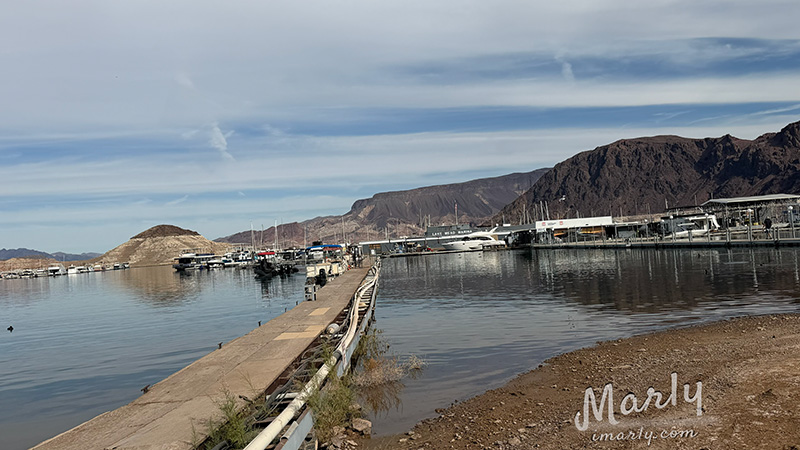
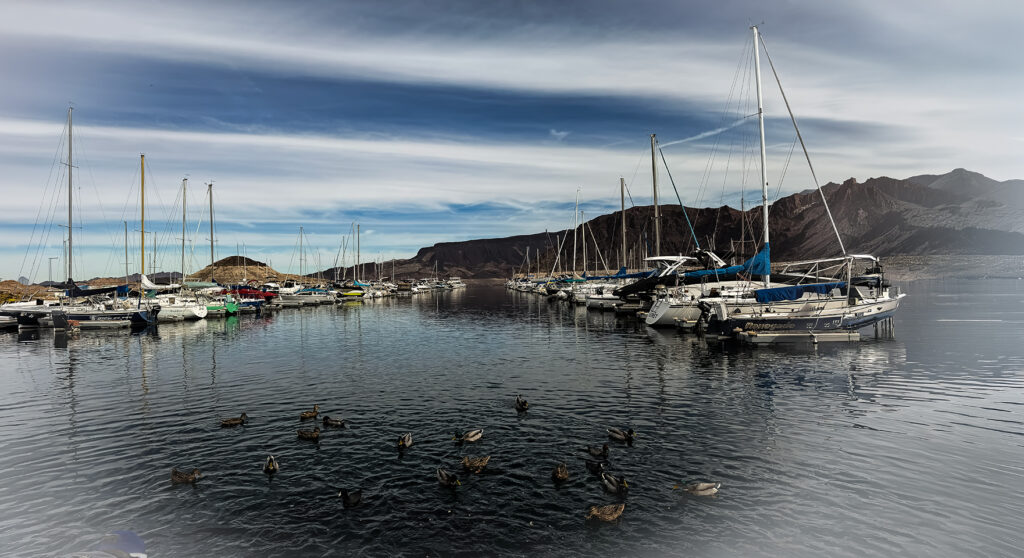
    Lake Mead Marina is not just for boating. When people search for this Marina they typically find details about boating—launch ramps, slips, rentals, and days spent on the water. That’s exactly what greets you on arrival: boats gliding across the marina, engines droning as they head onto Lake Mead.

    But that wasn’t the reason for our visit.

    We came for something simpler—and completely free.

    Lake Mead Marina is A Free Family Alternative to the Las Vegas Strip 🚤🌞

    About 25 miles (40 minutes) from the Las Vegas Strip, Lake Mead Marina offers a very different experience. Instead of crowds, lights, and costly attractions, you find open water, desert air, and space to breathe.

    This experience is free, and you can watch boats come and go and enjoy the view. It’s a refreshing, no-cost alternative for families, especially grandparents with grandkids, to the noise and price of the Strip.

    No need to worry about tickets or reservations. No hurry, so you can take your time.

    Just water, wildlife, and space to enjoy the moment.

    Feeding Catfish and Ducks (And the Laughter That Followed) 🐟🦆🍿

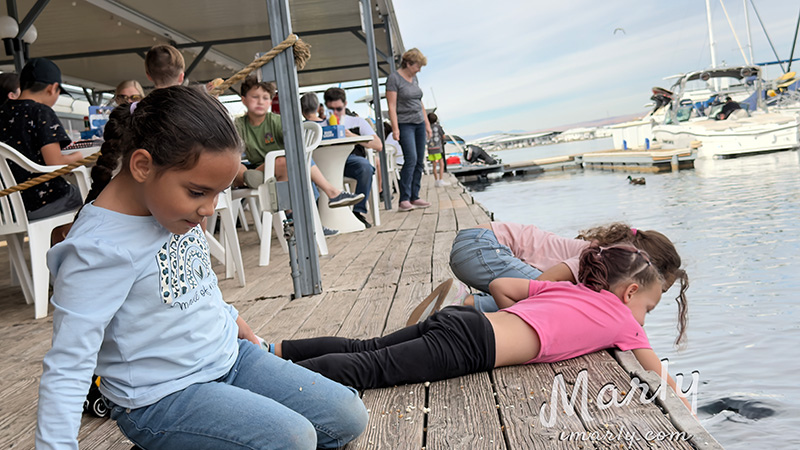
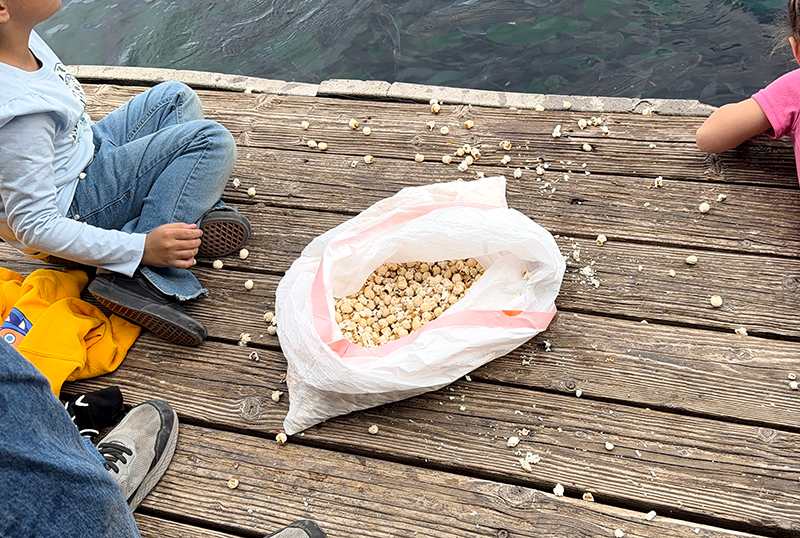
    We brought a big bag of popcorn, and the moment it hit the water, everything changed.

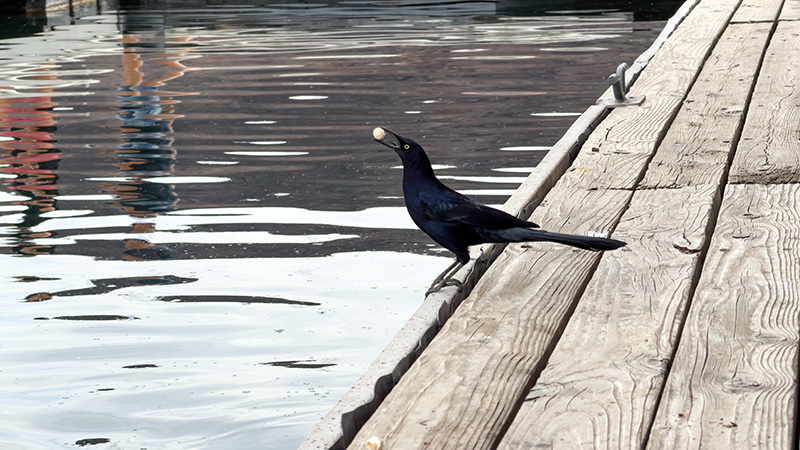
    Within seconds, hundreds of catfish gathered, swirling below the surface. The water churned as they competed for food—some even leaping out to catch popcorn. Ducks swooped in and joined the frenzy.

    And then came the sound.

    Loud laughter.
    High-pitched squealing.
    Excited, shouting every time a fish leaped from the water.
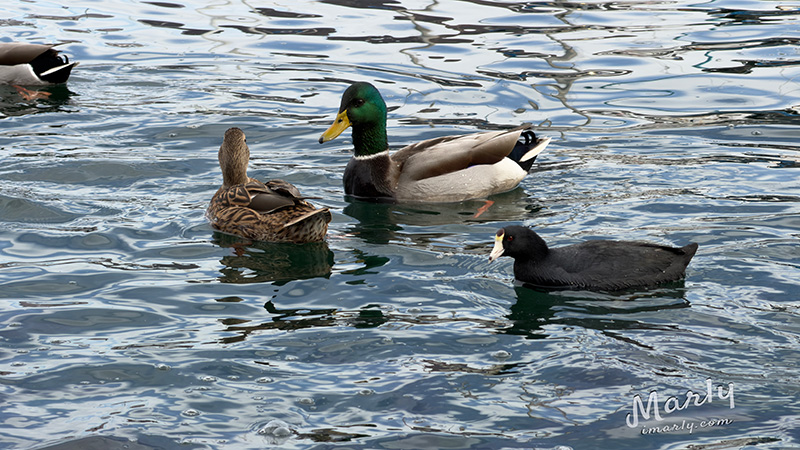
    The grandchildren were mesmerized. Each handful of popcorn brought new energy—simple joy needing no planning or explanation, just a railing above and surprises below.

    Boats moved in the background, steady and calm, while chaos unfolded at our feet.

    Grab a Bite at The Boat House 🍔

    If you stay longer, try The Boat House, a casual bar and grill at the marina. Boaters and visitors gather for burgers, sandwiches, drinks, and comfort food with a water view.

    You don’t have to be boating to enjoy it. After feeding the fish, it’s easy to stop, cool off, and keep the relaxed vibe going.
    Why Lake Mead Marina Is More Than Boats

    Lake Mead Marina is known for boats and boating—and that brings energy to the place. But within that boating culture is something quieter and just as meaningful.

    Free entry.
    Wildlife up close.
    Kids laughing at jumping fish.
    A peaceful alternative to the Las Vegas Strip.

    Sometimes the best memories aren’t made under neon lights.

    The real magic of Lake Mead Marina is this: incredible family memories can be made, free from crowds, simply by connecting with nature and one another—just steps away from the water, laughter echoing all around.
  • Raising Grandchildren When There’s No Time to Decide

    Raising Grandchildren When There’s No Time to Decide

    Raising Grandchildren When There’s No Time to Decide: A Grandparent’s Story of Stepping In

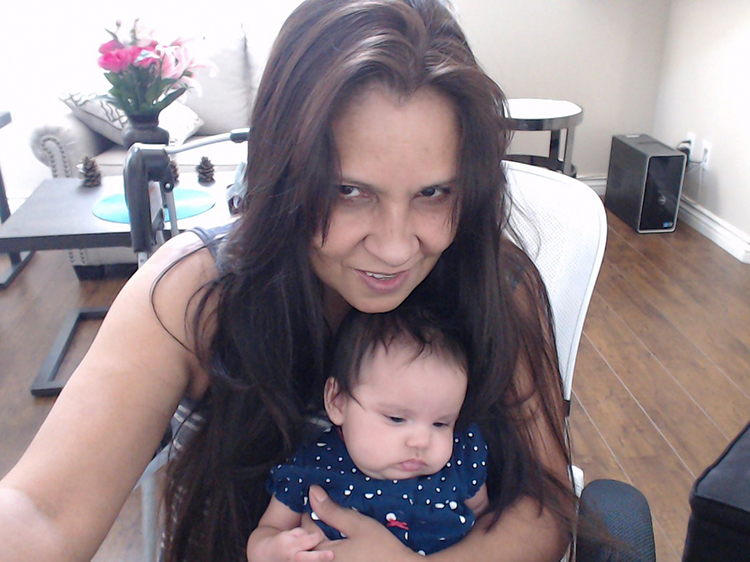
    Raising grandchildren is something I never imagined for myself, but life has a way of placing us into roles we didn’t see coming. One moment, I was stepping into a new career as a flight attendant—ready to explore a different chapter of my life—and the next, I found myself as the full-time parent to my granddaughter.

    There was no time to weigh the pros and cons. I said yes without hesitation. I fully embraced the role, but if I’m honest, I didn’t know what I was getting into.

    The Early Warning Signs I Chose to Ignore

    If you’re wondering what to know before raising your grandchild, let me start by saying: listen to your gut. In my case, the relationship between her parents was rocky, though at the time, I chalked it up to young adults trying to figure things out.

    I made a conscious decision to stay out of their arguments, thinking it would avoid drama. I believed that their issues were between them and that my granddaughter would be spared. But as the tension escalated, it became clear that wasn’t the case. My neutrality only made me a target, and my silence did nothing to protect her.

    What Happens When You Step in Without a Plan

    Here’s the most important message I want to share: Even if you believe you are raising grandchildren in a good home, ask yourself this tricky question:

    If something were to happen to their parents tomorrow, could you step in and raise them?

    Whether it’s conflict, illness, addiction, or even a natural disaster, life doesn’t always come with a warning. You may not see any red flags, but that doesn’t mean you’re off the hook for thinking ahead.

    If you’re a grandparent, especially to young children, assess your situation honestly. Consider your relationship with your adult children, your ability to set boundaries, and your emotional readiness to take on such a life-changing role.

    Raising Grandchildren

    The Story Isn’t Over: A Journey in Progress

    My granddaughter is now seven. I’m still her full-time guardian. The challenges haven’t disappeared—but neither has my commitment. In upcoming posts, I’ll share how I established healthy boundaries with both parents and how I protect my peace while raising hers.

    So no, there’s no neat conclusion to this story. This isn’t a tale wrapped in a bow. It’s a life in progress—and maybe, just maybe, someone reading this will be better prepared because of it.

    But this journey is far from over. It’s still unfolding every single day. My granddaughter is now seven years old, and I’m still learning, adjusting, and growing as both a grandparent and a full-time parent. If there’s one lesson I’ve learned above all, it’s this: boundaries matter—perhaps more than anything else.

    In my next post, I’ll dive deeper into how I began setting boundaries with both of her parents. Boundaries mean making intentional changes to enforce what I find acceptable and unacceptable. I’ve learned you can’t force people to do what they should do, but you can control how you respond. It’s not about changing others—it’s about changing your patterns and expectations.

    The biggest challenge in this process was neither parent. It was me. I had to confront my guilt, my desire to fix everything, and the fear of being judged. However, by establishing firm, loving boundaries, I’ve created a more stable and peaceful foundation. Boundaries don’t close doors; they open them to better outcomes. Stay tuned.

    Parents Helping Parents offers a helpful overview of what it means to step into a caregiving role later in life.

    👉 Raising Grandchildren: Support and Resources for Grandparent Caregivers
    https://parentshelpingparents.org/news/raising-grandchildren-support-and-resources-for-grandparent-caregivers

  • Someone Offered Me $9,000 in Crypto on TikTok

    Someone Offered Me $9,000 in Crypto on TikTok

    TikTok Crypto Scam is making its way to you.

    If you spend any time on TikTok, Facebook, or Instagram, you’ve probably received strange private messages from people you don’t know.

    Some are harmless.

    Others are dangerous.

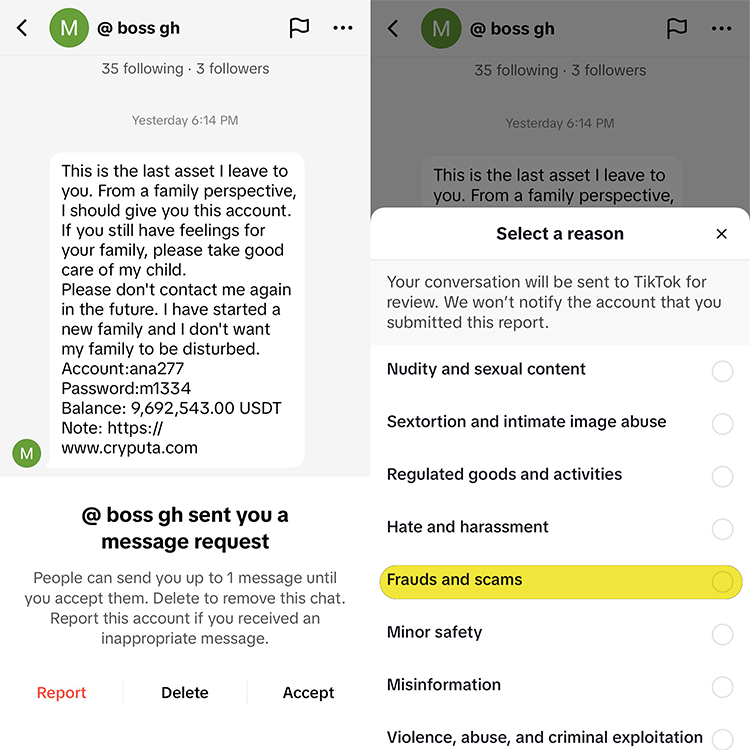
    Recently, I received a message on TikTok from a stranger claiming to “leave me” thousands of dollars in cryptocurrency. The message included a login, a password, and a supposed balance of over $9,000 in USDT.

    At first glance, it might look like luck.

    In reality, it was a carefully designed scam.

    This scam is sometimes called the crypto inheritance scam, the abandoned wallet scam, or the fake crypto account scam.

    It combines emotional manipulation with fake cryptocurrency websites to trick victims into sending real money.

    The scam usually starts with a private message that sounds personal and emotional.

    Common examples include:

    • “This is my last gift to you.”
    • “I’m sick and won’t be here much longer.”
    • “I started a new family and don’t want this anymore.”
    • “Please take care of my child.”

    The goal is simple:

    Make you trust the stranger before you think critically.

    How This TikTok Crypto Scam Works Step by Step

    Here is the exact process scammers use.

    1. They Send an Emotional Message

    The scammer pretends to be someone going through a personal crisis.

    They want you to feel sympathy, curiosity, or a sense of responsibility.

    Once emotions are involved, logic weakens.

    That’s human nature.

    2. They Provide “Login Information.”

    Next, they include:

    • A username
    • A password
    • A large crypto balance

    Providing login information makes it feel real.

    But legitimate financial accounts are never shared with strangers.

    Ever.

    3. They Send You to a Fake Crypto Website

    This message contains a link that appears to be a real crypto exchange.

    These sites are:

    • Newly created
    • Poorly regulated
    • Completely controlled by scammers

    They show fake dashboards with fake balances.

    Nothing on them is real.

    4. They Ask for a “Small Fee” to Withdraw

    When victims try to withdraw the money, the site suddenly says:

    • “You must pay a verification fee.”
    • “You must pay a gas fee.”
    • “You must pay tax first.”

    The amount is usually small at first — $50 to $300.

    Once you pay?

    The money is gone.

    No withdrawal ever happens.

    🚩 Red Flags in This Crypto Scam Message

    Here are the warning signs everyone should know.

    🚨 Red Flag #1: Strangers Offering Free Money

    Nobody gives away thousands of dollars to random people online.

    That alone tells you it’s a scam.

    🚨 Red Flag #2: Sharing Passwords

    Real investors protect their accounts.

    Scammers pretend not to.

    🚨 Red Flag #3: Unknown Crypto Websites

    Suspect all links trusted and untrusted!

    🚨 Red Flag #4: Emotional Pressure

    These scams use illness, family problems, or last wishes as a tool to manipulate victims.

    🚨 Red Flag #5: Requests for Upfront Fees

    Legitimate money does not require payment first.

    Never.

    This crypto scam targets seniors, new cryptocurrency users, widows and widowers, the lonely, and individuals facing financial stress. Scammers look for all those vulnerabilities and quickly find ways to exploit them.

    📸 Why Reporting and Documenting Matter

    I reported this message to TikTok immediately. To help promote awareness through this post, I included screenshots and the reporting, as shown in the top photo. The best way to stop scams is to be aware. Every time you share your experience, fewer people may fall for it, and if it helps only one person, that matters.

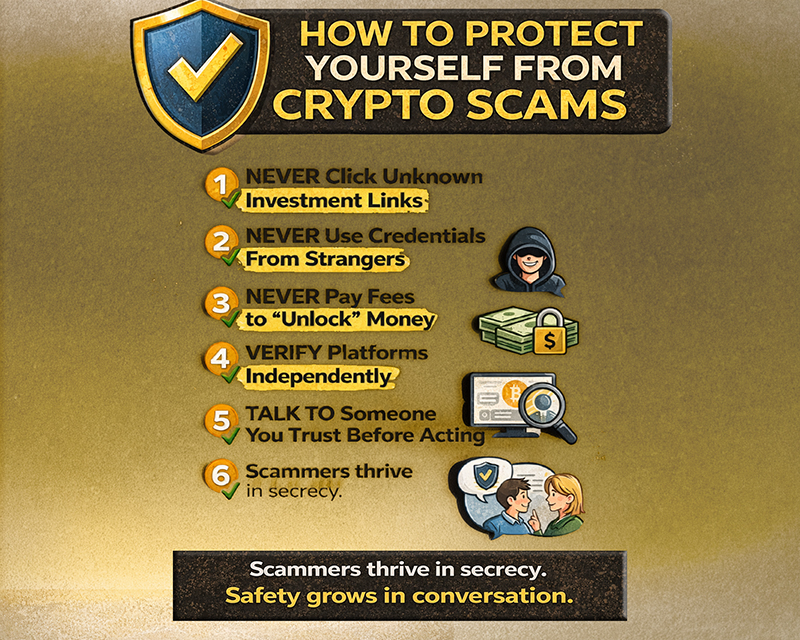
    🛡️Suggestions on how to Protect Yourself From Crypto Scams

    I want to mention it anyway.

    What you should never do:

    • Click on unknown Investment Links
    • Use Credentials from Strangers
    • Pay Fees to Unlock Money

    Things you should do:

    • Verify all information independently
    • Find and talk to someone you trust

    Scammers thrive in secrecy.

    Safety grows in conversation.

    📢 What To Do If You Receive a Similar Message

    If this happens to you:

    1. Do not reply
    2. Do not click links
    3. Take screenshots
    4. Report the account
    5. Block the sender

    Then warn others.

    You may save someone thousands of dollars.

    Scams Are About Psychology, Not Technology

    Most people think of scams as computer-related.

    They’re not.

    They’re about human behavior.

    They use:

    • Hope
    • Fear
    • Trust
    • Urgency
    • Curiosity

    Against you.

    The more you understand that, the safer you become.

  • Yeti Cooler Scam Warning

    Yeti Cooler Scam Warning

    Why I Called Sam’s Club to Verify This Viral Yeti Cooler Scam

    Yeti Cooler Scam posts are once again spreading across social media, promising “free” Yeti cooler bags and exclusive giveaways that seem too good to be true. When I recently saw one of these viral promotions making the rounds again, I decided not to assume anything. Instead, I did what I always encourage my readers to do: I verified it.

    This time, the situation was different. A viewer contacted me to let me know they called Sam’s Club and were told the promotion is real. I paused for a second, but instead of dismissing it, I picked up the phone and called the official customer service number listed on Sam’s Club’s website. Before calling, I compared the number the viewer gave me, and it was the same.

    This call confirmed what many suspected: this viral Yeti giveaway is not legitimate and is not affiliated with Sam’s Club in any way.

    Yeti Giveaway Scams and Fake Sam’s Club Promotions Explained

    Yeti giveaway scams follow a familiar pattern. A post suddenly appears on Facebook or other social media platforms claiming that a major retailer is giving away expensive cooler bags or outdoor gear. Often, the post will say something like “limited time, birthday celebration,” or “exclusive reward.”

    Clicking that link is where the danger begins!

    These fake Yeti promotions collect personal data, steal financial information, or sign people up for unwanted subscriptions. In many cases, victims never receive anything at all.

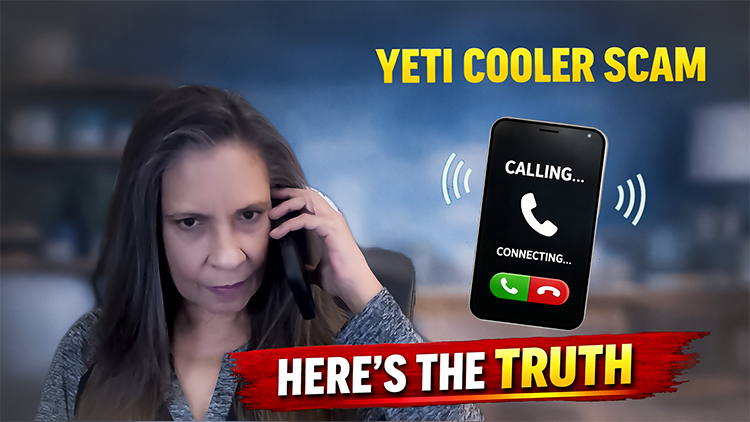
    In my video, you can hear me speaking to a Sam’s Club representative. The representative checked their system and confirmed that no such giveaway exists, and further warned me not to click any suspicious links or provide sensitive information.

    This type of phishing/scam continues to resurface because it works. Scammers change website names, logos, and wording to avoid detection. Today, it is a Yeti Cooler. Tomorrow it could be something else.

    How to Avoid Online Shopping Scams and Fake Yeti Scam Giveaways.

    What I have learned from this experience is that verification matters. In a digital world filled with Artificial intelligence, stolen logos, and fake testimonial scams, detecting them is hard, and soon it will be even harder.

    Anyone can create a convincing post or website in minutes.

    Here are a few simple rules I follow

    • First, verify promotions through official channels.
    • Second, do not click links in social media posts.
    • Third, never give personal or financial information.

    Businesses do not ask for sensitive information via suspicious links. Most scams rely on rushed clicks and emotional reactions. This Yeti cooler scam targets everyday people, especially seniors and families who may not be familiar with online fraud tactics.

    My Law enforcement years and time spent working in tech support have given me a suspicious eye for scams such as the Yeti Scam. I see too many people being taken advantage of. The viewer who sparked this phone call truly believed that the Yeti Giveaway was authentic. Scammers gain the trust of good, honest people like my viewers and use their reputation to attract other honest but vulnerable people to use as victims. By the time anyone realizes the digital bandit has taken off with their life savings.

    In Conclusion

    Yeti Cooler Scam is just one example of how modern scams evolve. By spreading awareness, encouraging verification, and fostering community support, we can stay ahead of them.

    Thank you for watching my videos, reading this post, and helping spread accurate information. Also, if you are a victim of a scam who came forward and shared your experience, I need to send you a very strong thank-you for your bravery.

  • Wizard of Oz Sphere:

    Wizard of Oz Sphere:

    Real Advice for Families Before Buying Tickets

    When you hear about the Wizard of Oz Sphere in Las Vegas, most reviews will tell you about the breathtaking visuals, groundbreaking technology, and how this timeless classic magically brings the Wizard of Oz to life in ways never seen before. And while that’s absolutely true, I want to focus on a different perspective—what it’s like to attend the Wizard of Oz Experience with a child who is sensitive to sound, motion, and overstimulation.

    Our experience at the Wizard of Oz Sphere isn’t just a review of a show. It’s a real-life account of a grandparent navigating the magic and the challenges, and hopefully offering guidance to anyone considering taking a loved one who might experience the world a little more intensely.

    Preparing for the Wizard of Oz Experience

    Before we even bought tickets to the Wizard of Oz Sphere in Las Vegas, I already knew my granddaughter might have difficulty. She has always been sensitive to sound and motion. Still, I wanted her to experience the magic of the yellow brick road, just like Dorothy and Toto, in a way that could spark joy and wonder.

    So, I prepared.

    • I purchased seats close to the exit aisle so we could make a quick escape if things became overwhelming.
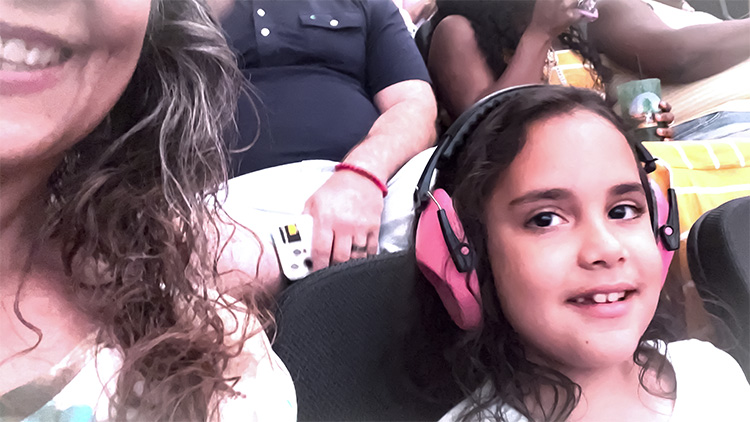
    • I brought along a headset to help my sensitive granddaughter manage the noise.
    • I mentally rehearsed how we would handle a potential meltdown, so neither of us felt “trapped” if it came to that.

    These precautions made me feel confident—at least enough to try.

    The Tornado Scene: When the Magic Turned Overwhelming

    It was during the tornado scene that everything shifted.

    The sounds of the fans suddenly surrounded us. Debris flying around, and a rumbling floor that made even me feel slightly queasy. My granddaughter’s excitement quickly turned into fear. She pressed her hands tightly over her headset, shaking as tears filled her eyes.

    In that moment, it didn’t matter how much the tickets cost or how much I wanted to geek out over the incredible technology. My focus became 100% on helping my granddaughter cope with the overstimulation. We made our exit quickly, heading to the bathroom where she could regroup.

    For about 10–20 minutes, we sat together, calming her nerves. She slowly regained her composure. It broke my heart to see her so shaken, but what mattered most was that she felt safe and supported.

    Returning and Reframing the Experience

    The beautiful part is that we went back.

    After some time, she was able to return to the Wizard of Oz Experience with me. This time, the magic started to shine again. Her tears turned into smiles as she relaxed into fantasy.

     What began as a meltdown turned into a memory of resilience—for both of us.

    For me, this became less about watching an immersive spectacle and more about guiding her from fear to enjoyment. And in that way, I left with more than just a memory of the show—I went with a memory of our bond, and the reminder that sometimes joy is built in the recovery.

    Advice for Families Considering the Wizard of Oz Sphere

    If you or your loved one is sensitive, autistic, or prone to motion sickness, here are my takeaways before you invest in tickets (which are not cheap—we spent over $300):

    1. Select seats near the exit aisle for a quick and stress-free exit.
    2. Bring noise-reducing headphones or a headset—the sound can be intense.
    3. Prepare for physical effects—rumbling seats, rushing air, and simulated motion can trigger queasiness even for those who aren’t usually sensitive.
    4. Plan a calm space and take breaks as needed. Stepping out for 10 minutes can make the difference between leaving entirely or finishing the show.
    5. Manage expectations—if you have a sensitive child, be aware that certain aspects of the experience may be overwhelming; however, with proper preparation, the overall outing can still be a positive experience.

    On the other hand, if you’re wondering how immersive shows like this might affect people with autism, sensory sensitivities, or motion sickness, the entry on Virtual Reality Sickness offers valuable insight into why mismatches between what you see, hear, and feel can trigger nausea, dizziness, or sensory overload.

    Our night wasn’t perfect; there were tears, fears, and queasiness. Yet it ended with smiles, laughter, and a memory that my granddaughter and I will carry forward. For me, that made the Wizard of Oz Experience worth it.

    If you’re considering going, especially with someone who struggles with overstimulation, I hope my story helps you prepare—and maybe even salvage your own magical memory, just like we did.

  • Grandparents Raising Grandchildren

    Grandparents Raising Grandchildren

    This post is part of my Family Care series, sharing honest experiences and reflections from raising a grandchild later in life.

    More posts in this series are collected on the Family Care page.

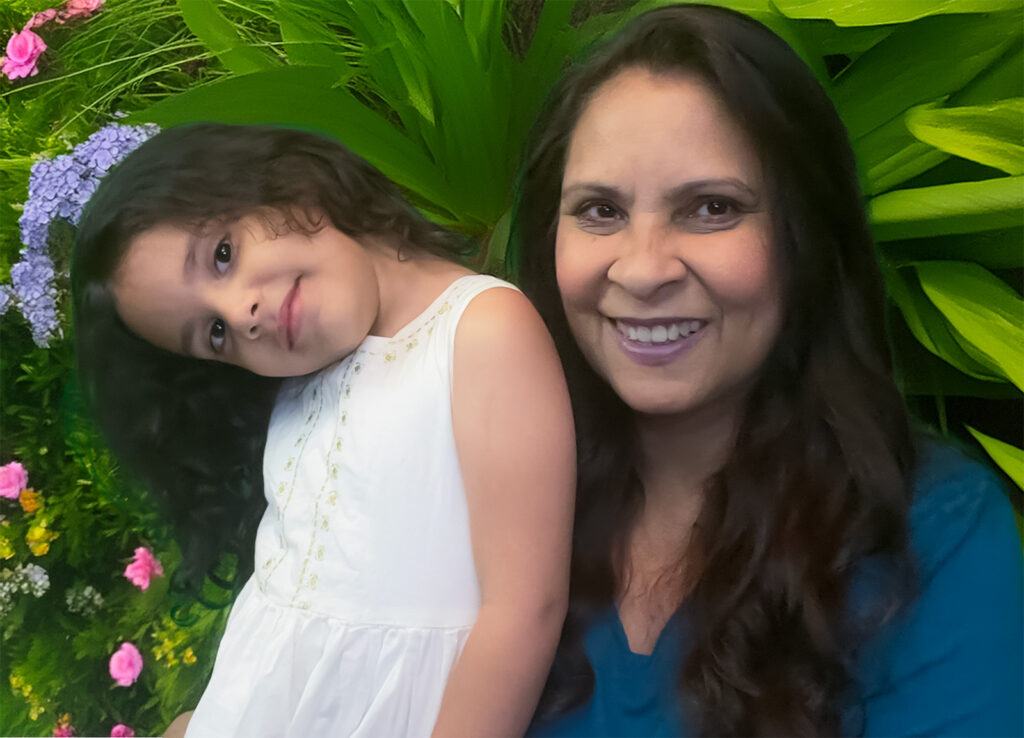
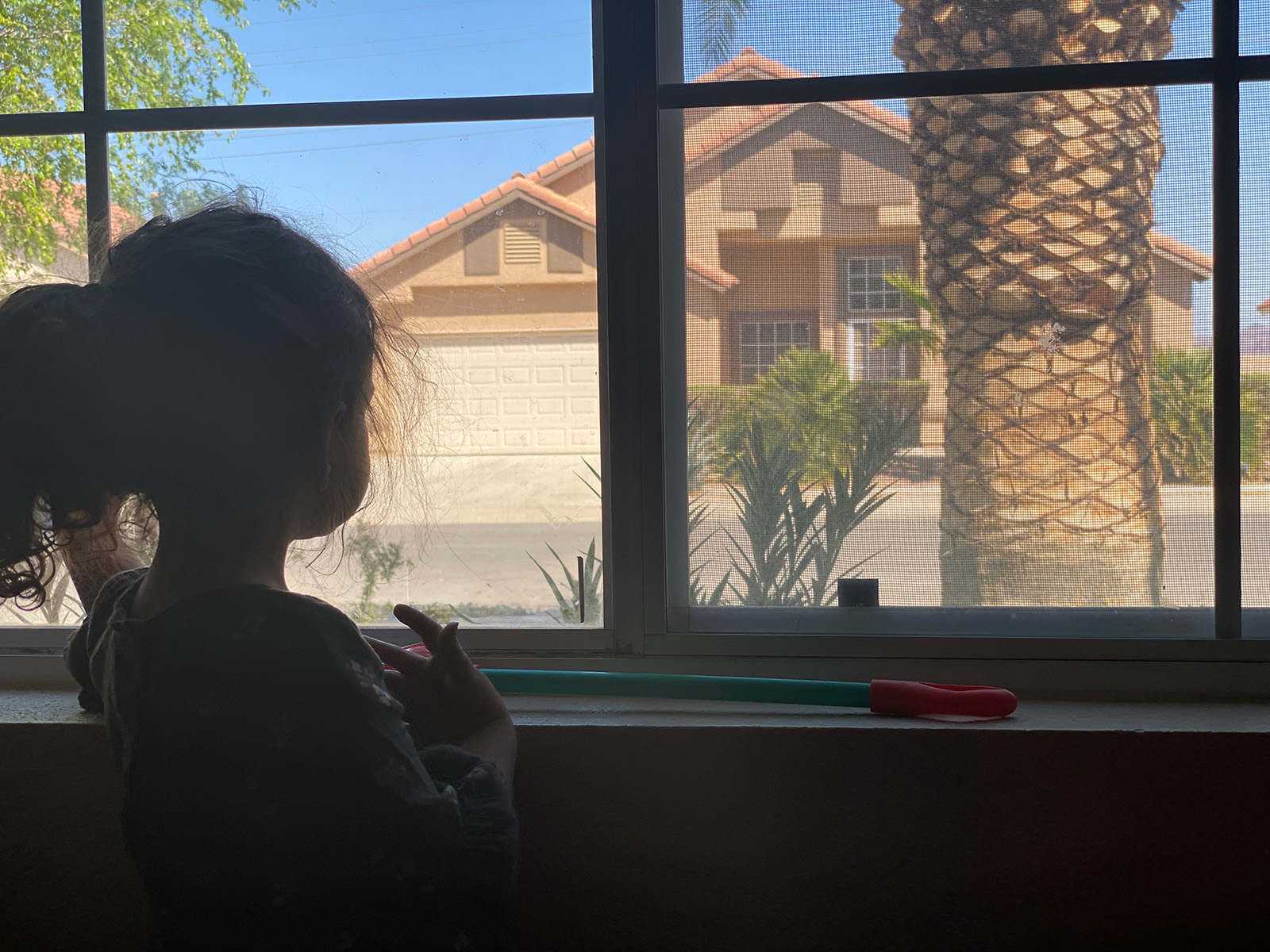
    I’ve been raising my granddaughter since she was just 5 months old. She’s now 7. It hasn’t been easy, and I want to share the truth, not just the good parts, but the tough ones too.

    This post is for every grandparent who has stepped into this role or is considering it. I want to help you make the right decision for your life, whether that means raising your grandchild or not.

    The Reality of Grandparents Raising Grandchildren

    When I became my granddaughter’s full-time caregiver, I never imagined how complex the journey would be. Like many grandparents raising grandchildren, I had to step in due to issues with the biological parents — in my case, my son and his child’s mother.

    There’s deep love, of course. But love alone isn’t enough.

    Before you decide to raise a grandchild, you need to consider so many real-life factors:

    • Your age and health
    • Your financial stability
    • Your mental and emotional energy
    • Your living situation
    • Your relationship with the child’s parents
    • Your long-term ability to care for a child
    Grandparents Raising Grandchildren
    It’s not just a loving gesture — it’s a whole lifestyle shift.

    Raising a Grandchild Doesn’t Mean Losing Yourself

    Grandparent caregivers often feel they’re giving up their retirement or golden years. And yes, some sacrifices are inevitable. But this doesn’t have to mean the end of your life as you knew it. It’s a change in direction, not a dead end.

    With the proper support, perspective, and preparation, this new path can still bring you joy, meaning, and purpose.

    But let’s be clear:

    ✅ Will there be sacrifices? Yes.

    ✅ Will you have to give things up? Certainly.

    ❌ Should you feel guilty if you decide not to raise your grandchildren? Absolutely not.

    Just because you say no doesn’t mean you don’t love them.

    Raising your grandchildren is a big decision. One that impacts your life and the child’s life. It’s okay to step back and say, “I just can’t do this.” That doesn’t make you a bad grandparent — it makes you an honest one.

    Essential Questions Every Grandparent Should Ask

    If you’re one of the many grandparents raising grandchildren, or are thinking about stepping into that role.

    Key questions to help guide your decision:

    1. Am I physically and emotionally able to do this long-term?
    2. How will raising a grandchild affect my finances or retirement?
    3. What legal rights or custody arrangements do I need?
    4. How will this impact my relationship with the child’s parents?
    5. Do I have the space and time to provide a stable home?
    6. Am I prepared to deal with emotional trauma or behavioral issues?
    7. What happens to my grandchild if something happens to me?
    8. Do I have a support system (family, friends, church, or community)?
    9. Can I adapt to new parenting styles, school systems, and technology?
    10. What will I lose and what might I gain?

    These are not easy questions, but they’re necessary.

    You Are Not Alone, Even If It Feels That Way

    When I started this journey, I wished I had other grandparents raising grandchildren to talk to. But people in our shoes can be hard to find. They’re often exhausted, overwhelmed, or quiet about their situation.

    That’s why I’m writing this — to speak to someone like you.

    Whether you’re already caring for a grandchild or considering it, know this:

    💬 You are not alone.

    💬 You are not selfish for thinking it through.

    💬 You are not weak for having doubts.

    Final Thoughts from a Grandmother in the Trenches

    Raising my granddaughter has tested me in every possible way, but it’s also given me a renewed sense of purpose. If this is the last big thing I do on this earth, I want to do it with honesty and love and help others do the same.

    This post is the beginning of a new series for my blog, where I’ll continue to talk about:

    • The legal side of grandparent custody
    • Financial help for grandparent caregivers
    • Setting boundaries with biological parents
    • Mental health and emotional burnout
    • Finding a balance between parenting and grandparenting

    If you are a grandparent raising your grandchild or thinking about it, I encourage you to follow along. And if you have a story to share, please don’t hesitate to reach out.

    We’re stronger when we lift each other and don’t have to walk this path alone.

    With love and strength,

    A grandmother who understands

  • Getting Into the Drone Hobby: What I Wish I Knew Before Buying My First Drone

    Getting Into the Drone Hobby: What I Wish I Knew Before Buying My First Drone

    Getting into the drone hobby wasn’t something I planned — but it turned into one of the most rewarding decisions I’ve made in retirement.

    Like many beginners, I wasn’t actively shopping for a drone. I was browsing Amazon for cameras and camera equipment when a drone appeared on my screen. It wasn’t loud or flashy. It just quietly showed up and stopped me in my tracks.

    I remember the internal debate clearly.

    Should I buy a drone?
    I wasn’t looking for this, but flying a drone had continually been a dream of mine. And then arrived the thought that sealed it: I’m retired. If something makes me happy, why not?

    The practical side of my brain tried to intervene.
    You don’t need it.
    You can wait.
    It’s expensive.

    That argument didn’t last long.

    Within minutes, I added the drone to my cart and purchased it — knowing almost nothing about the drone hobby beyond the fact that drones fly.

    What I didn’t know then was that buying a drone is the easiest part.

    Learning the Rules Is Part of the Drone Hobby

    When I started, I had no idea about FAA regulations, airspace limitations, or licensing. I genuinely wondered if I needed permission to fly over my own house.

    Yes. You often do.

    That first drone purchase opened the door toward a world I didn’t even know existed. Flying a drone responsibly means understanding airspace, following rules, and respecting both people and property on the ground. At first, that appeared overwhelming — but instead of pushing me away, it pulled me more deeply into the drone hobby.

    I studied. I practiced. I made mistakes. I learned why the rules exist and how to fly safely within them.

    Eventually, took the next step.

    Now, as a Part 107-certified drone pilot, I understand and follow FAA regulations. I plan every flight carefully and enjoy both flying and the discipline the hobby requires. The excitement of reviewing my videos comes from knowing the steps I follow to fly safely and responsibly.

    That’s something many new drone enthusiasts don’t realize when they’re first getting into the drone hobby.

    What New Drone Enthusiasts Should Know Before Buying a Drone

    This post isn’t about discouraging anyone from buying a drone. It’s about helping beginners ask the right questions before they spend their money.

    Many people enter the drone hobby thinking it’s as simple as buying a drone, charging the battery, and taking off. In reality, there’s a learning curve — and that learning curve can save you time, frustration, and money if you understand it early.

    It’s also important to know that the drone hobby attracts scammers who target beginners.

    Today, scammers use AI-generated ads, fake reviews, and realistic videos. They attract newcomers who don’t yet know what to watch for. These frauds often target beginners who want “too good to be true” deals or hope for shortcuts around rules and certifications. I’ve seen it happen more than once, and it’s one of the reasons I share my experiences publicly.

    As someone who started out of curiosity and earned a Part 107 license, I urge new drone pilots: Don’t let hype or misinformation mislead you. Be wary of deals that bypass rules, and always verify information before acting.

    This introduction is just a starting point.

    I have more tips to share about my drone hobby. My passion for the hobby is clear, but it does not cloud my passion to follow the rules.  Things like choosing the right drone and understanding FAA rules are small but vital parts of enjoying this hobby.  Learn with me how to prepare for the Part 107 exam and spot scams that target beginners.  I hope to help others enjoy flying drones the right way: safely, legally, and confidently.

    So before you take that first step, research, ask lots of questions, and learn the rules.  Commit to flying safely and confidently.  Start flying today as a responsible pilot who enjoys every flight.🚁🌤️

  • Technology for Seniors Wasn’t an Accident

    Technology for Seniors Wasn’t an Accident

    Technology for Seniors Wasn’t an Accident— It Was a Timeline Problem

    Technology advances rapidly, while people tend to move at a slower pace.

    And here’s the critical truth many people never hear:

    Physical and mental challenges are part of everyday life as we age, and the creators of modern technology did not build technology with that in mind.

    • Vision often declines, especially contrast sensitivity and the ability to read small text
    • Fine motor control can be affected, making precise taps and swipes harder
    • Working memory and processing speed may slow, increasing cognitive load
    • Multitasking becomes more mentally taxing

    For seniors, the text gets smaller. Menus get deeper. Gestures replace buttons. Updates move settings without warning.

    None of this means seniors are “bad with technology.”

    It means the technology evolved without checking whether it still worked for them.

    A Brief Reality Check on How Tech Was Built

    Bill Gates, Steve Jobs, and their peers were young when personal computing began in the 1970’s and 1980’s. Early Personal computing users were young professionals, engineers, and students.

    Designers built technology for strong eyesight, fast reaction times, and comfort with experimentation. As technology evolved, it continued to cater to those assumptions. Silicon Valley culture has long prioritized innovation speed over accessibility. Aging wasn’t part of the design conversation. And let’s be honest, most young people don’t imagine themselves growing old. So the future keeps getting built for the present.

    Today’s seniors find themselves caught in a challenging situation.

    Seniors caught in the middle create a unique tension.

    Today’s seniors spent most of their lives without digital technology, as computers, smartphones, and the internet emerged after they had established their careers, raised families, and formed their habits.

    Meanwhile, future seniors will age with technology—but aging will still affect their bodies and minds. Familiarity alone does not erase physical or cognitive change.

    So we must ask how we design technology that respects aging.

    One place to start is focusing on what actually matters. Things such as making text easier to see, reducing constant and annoying notifications, and removing unnecessary apps.

    Scams are becoming more rampant and harder to spot, so we need to learn to distinguish real messages from scams.

    Devices are more expensive, and fear of breaking them may make it difficult for anyone, not just seniors, to focus on the settings needed to protect their investment, as they worry about breaking or removing something vital to device operation.

    Stress that even small wins, like simple adjustments, can significantly improve seniors’ technology experience and encourage ongoing efforts toward accessible design.

    Technology should support independence, not threaten it.

    iMarly