
Real Advice for Families Before Buying Tickets
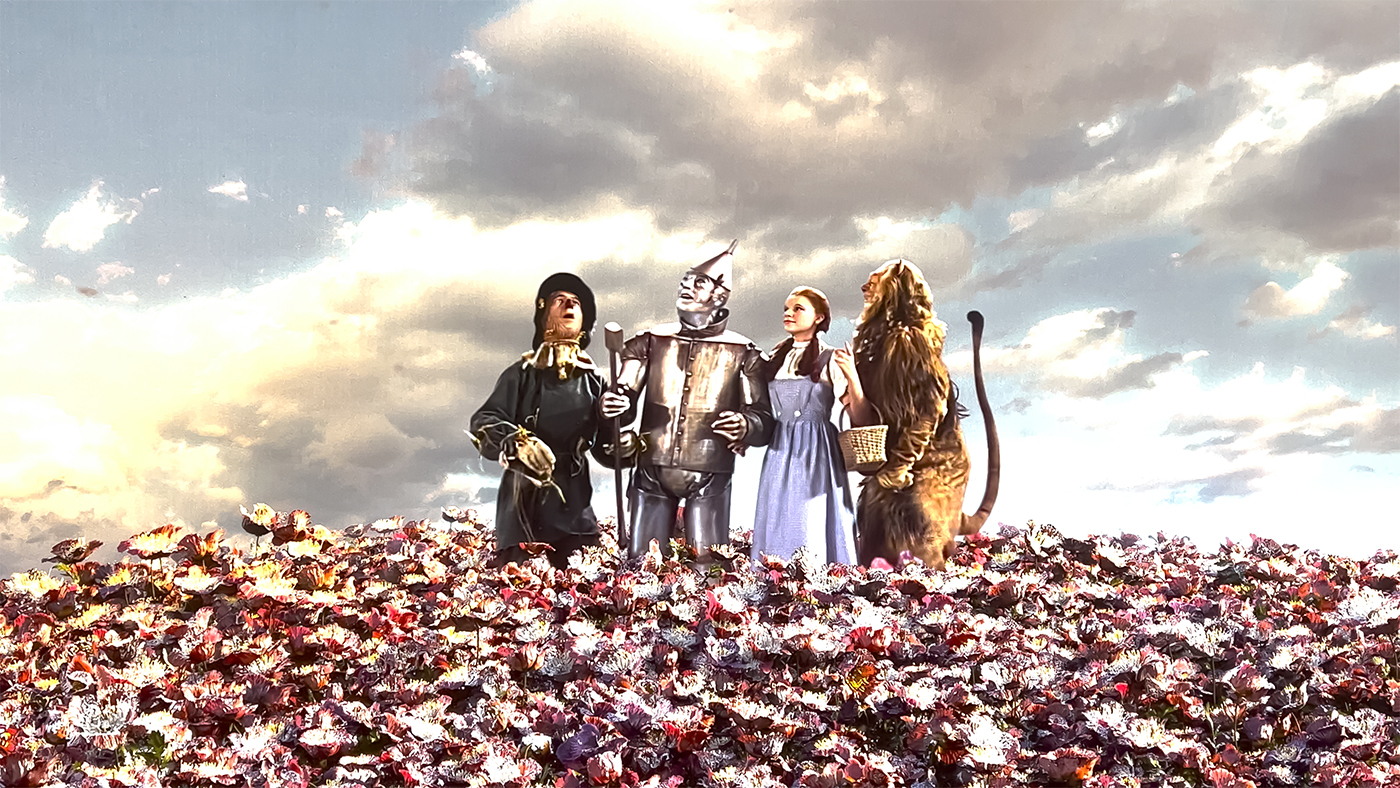
When you hear about the Wizard of Oz Sphere in Las Vegas, most reviews will tell you about the breathtaking visuals, groundbreaking technology, and how this timeless classic magically brings the Wizard of Oz to life in ways never seen before. And while that’s absolutely true, I want to focus on a different perspective—what it’s like to attend the Wizard of Oz Experience with a child who is sensitive to sound, motion, and overstimulation.
Our experience at the Wizard of Oz Sphere isn’t just a review of a show. It’s a real-life account of a grandparent navigating the magic and the challenges, and hopefully offering guidance to anyone considering taking a loved one who might experience the world a little more intensely.
Preparing for the Wizard of Oz Experience
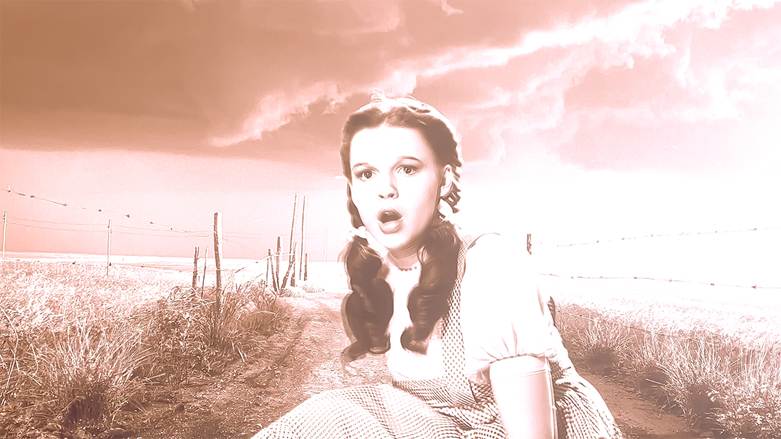
Before we even bought tickets to the Wizard of Oz Sphere in Las Vegas, I already knew my granddaughter might have difficulty. She has always been sensitive to sound and motion. Still, I wanted her to experience the magic of the yellow brick road, just like Dorothy and Toto, in a way that could spark joy and wonder.
So, I prepared.
- I purchased seats close to the exit aisle so we could make a quick escape if things became overwhelming.
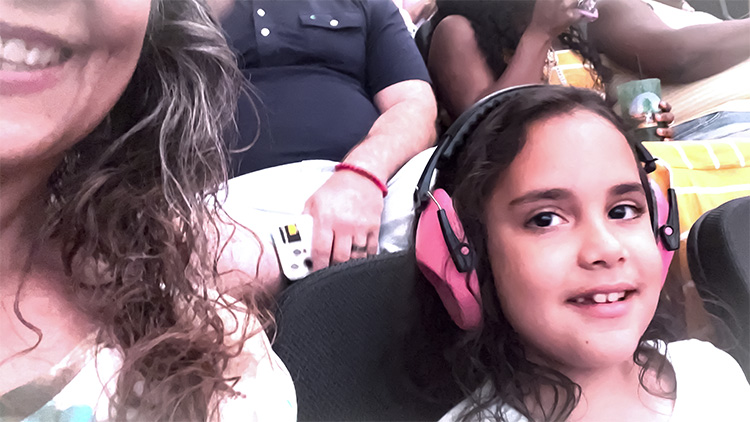
- I brought along a headset to help my sensitive granddaughter manage the noise.
- I mentally rehearsed how we would handle a potential meltdown, so neither of us felt “trapped” if it came to that.
These precautions made me feel confident—at least enough to try.
The Tornado Scene: When the Magic Turned Overwhelming
It was during the tornado scene that everything shifted.
The sounds of the fans suddenly surrounded us. Debris flying around, and a rumbling floor that made even me feel slightly queasy. My granddaughter’s excitement quickly turned into fear. She pressed her hands tightly over her headset, shaking as tears filled her eyes.
In that moment, it didn’t matter how much the tickets cost or how much I wanted to geek out over the incredible technology. My focus became 100% on helping my granddaughter cope with the overstimulation. We made our exit quickly, heading to the bathroom where she could regroup.
For about 10–20 minutes, we sat together, calming her nerves. She slowly regained her composure. It broke my heart to see her so shaken, but what mattered most was that she felt safe and supported.
Returning and Reframing the Experience
The beautiful part is that we went back.
After some time, she was able to return to the Wizard of Oz Experience with me. This time, the magic started to shine again. Her tears turned into smiles as she relaxed into fantasy.
What began as a meltdown turned into a memory of resilience—for both of us.
For me, this became less about watching an immersive spectacle and more about guiding her from fear to enjoyment. And in that way, I left with more than just a memory of the show—I went with a memory of our bond, and the reminder that sometimes joy is built in the recovery.
Advice for Families Considering the Wizard of Oz Sphere
If you or your loved one is sensitive, autistic, or prone to motion sickness, here are my takeaways before you invest in tickets (which are not cheap—we spent over $300):
- Select seats near the exit aisle for a quick and stress-free exit.
- Bring noise-reducing headphones or a headset—the sound can be intense.
- Prepare for physical effects—rumbling seats, rushing air, and simulated motion can trigger queasiness even for those who aren’t usually sensitive.
- Plan a calm space and take breaks as needed. Stepping out for 10 minutes can make the difference between leaving entirely or finishing the show.
- Manage expectations—if you have a sensitive child, be aware that certain aspects of the experience may be overwhelming; however, with proper preparation, the overall outing can still be a positive experience.
For those who want to delve into the technology behind this production, The Washington Post has a fascinating feature on how the Sphere combines AI-enhanced visuals, 360° projections, 167,000-speaker audio, haptic seating, and environmental effects to create this mind-bending experience (read here).
On the other hand, if you’re wondering how immersive shows like this might affect people with autism, sensory sensitivities, or motion sickness, the entry on Virtual Reality Sickness offers valuable insight into why mismatches between what you see, hear, and feel can trigger nausea, dizziness, or sensory overload.
The Wizard of Oz Sphere in Las Vegas is nothing short of spectacular. However, for families like mine, with children (or adults) who are sensitive, it’s essential to understand the realities behind the dazzling lights.
Our night wasn’t perfect; there were tears, fears, and queasiness. Yet it ended with smiles, laughter, and a memory that my granddaughter and I will carry forward. For me, that made the Wizard of Oz Experience worth it.
If you’re considering going, especially with someone who struggles with overstimulation, I hope my story helps you prepare—and maybe even salvage your own magical memory, just like we did.