
Author: imarly

  • Wizard of Oz Sphere:

    Wizard of Oz Sphere:

    Real Advice for Families Before Buying Tickets

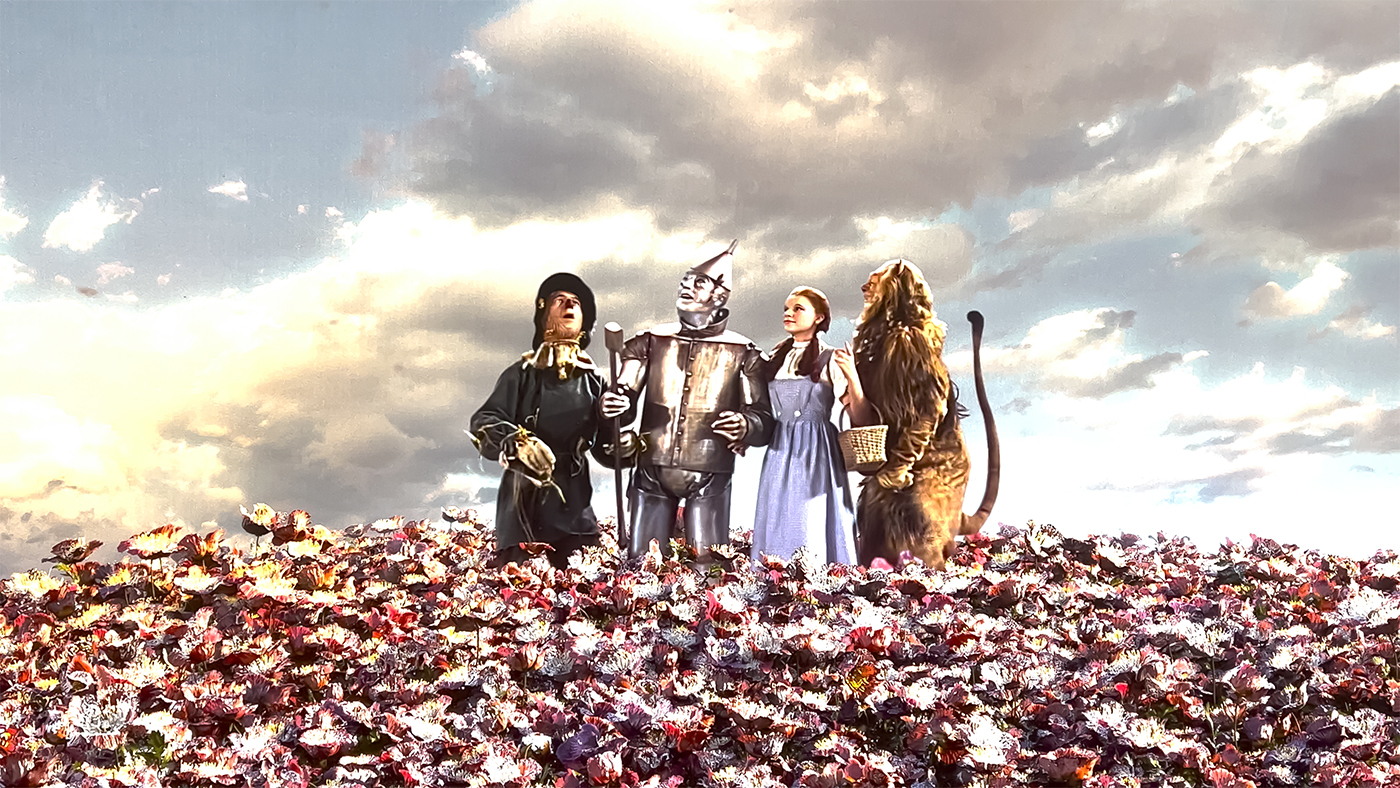
    When you hear about the Wizard of Oz Sphere in Las Vegas, most reviews will tell you about the breathtaking visuals, groundbreaking technology, and how this timeless classic magically brings the Wizard of Oz to life in ways never seen before. And while that’s absolutely true, I want to focus on a different perspective—what it’s like to attend the Wizard of Oz Experience with a child who is sensitive to sound, motion, and overstimulation.

    Our experience at the Wizard of Oz Sphere isn’t just a review of a show. It’s a real-life account of a grandparent navigating the magic and the challenges, and hopefully offering guidance to anyone considering taking a loved one who might experience the world a little more intensely.

    Preparing for the Wizard of Oz Experience

    Before we even bought tickets to the Wizard of Oz Sphere in Las Vegas, I already knew my granddaughter might have difficulty. She has always been sensitive to sound and motion. Still, I wanted her to experience the magic of the yellow brick road, just like Dorothy and Toto, in a way that could spark joy and wonder.

    So, I prepared.

    • I purchased seats close to the exit aisle so we could make a quick escape if things became overwhelming.
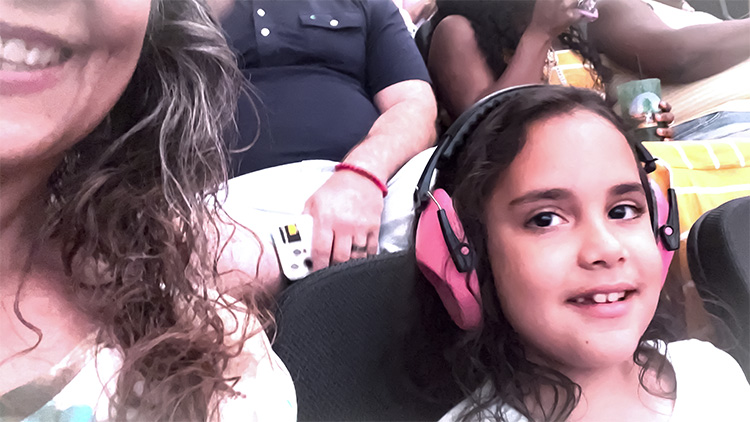
    • I brought along a headset to help my sensitive granddaughter manage the noise.
    • I mentally rehearsed how we would handle a potential meltdown, so neither of us felt “trapped” if it came to that.

    These precautions made me feel confident—at least enough to try.

    The Tornado Scene: When the Magic Turned Overwhelming

    It was during the tornado scene that everything shifted.

    The sounds of the fans suddenly surrounded us. Debris flying around, and a rumbling floor that made even me feel slightly queasy. My granddaughter’s excitement quickly turned into fear. She pressed her hands tightly over her headset, shaking as tears filled her eyes.

    In that moment, it didn’t matter how much the tickets cost or how much I wanted to geek out over the incredible technology. My focus became 100% on helping my granddaughter cope with the overstimulation. We made our exit quickly, heading to the bathroom where she could regroup.

    For about 10–20 minutes, we sat together, calming her nerves. She slowly regained her composure. It broke my heart to see her so shaken, but what mattered most was that she felt safe and supported.

    Returning and Reframing the Experience

    The beautiful part is that we went back.

    After some time, she was able to return to the Wizard of Oz Experience with me. This time, the magic started to shine again. Her tears turned into smiles as she relaxed into fantasy.

     What began as a meltdown turned into a memory of resilience—for both of us.

    For me, this became less about watching an immersive spectacle and more about guiding her from fear to enjoyment. And in that way, I left with more than just a memory of the show—I went with a memory of our bond, and the reminder that sometimes joy is built in the recovery.

    Advice for Families Considering the Wizard of Oz Sphere

    If you or your loved one is sensitive, autistic, or prone to motion sickness, here are my takeaways before you invest in tickets (which are not cheap—we spent over $300):

    1. Select seats near the exit aisle for a quick and stress-free exit.
    2. Bring noise-reducing headphones or a headset—the sound can be intense.
    3. Prepare for physical effects—rumbling seats, rushing air, and simulated motion can trigger queasiness even for those who aren’t usually sensitive.
    4. Plan a calm space and take breaks as needed. Stepping out for 10 minutes can make the difference between leaving entirely or finishing the show.
    5. Manage expectations—if you have a sensitive child, be aware that certain aspects of the experience may be overwhelming; however, with proper preparation, the overall outing can still be a positive experience.

    On the other hand, if you’re wondering how immersive shows like this might affect people with autism, sensory sensitivities, or motion sickness, the entry on Virtual Reality Sickness offers valuable insight into why mismatches between what you see, hear, and feel can trigger nausea, dizziness, or sensory overload.

    Our night wasn’t perfect; there were tears, fears, and queasiness. Yet it ended with smiles, laughter, and a memory that my granddaughter and I will carry forward. For me, that made the Wizard of Oz Experience worth it.

    If you’re considering going, especially with someone who struggles with overstimulation, I hope my story helps you prepare—and maybe even salvage your own magical memory, just like we did.

  • Grandparents Raising Grandchildren

    Grandparents Raising Grandchildren

    This post is part of my Family Care series, sharing honest experiences and reflections from raising a grandchild later in life.

    More posts in this series are collected on the Family Care page.

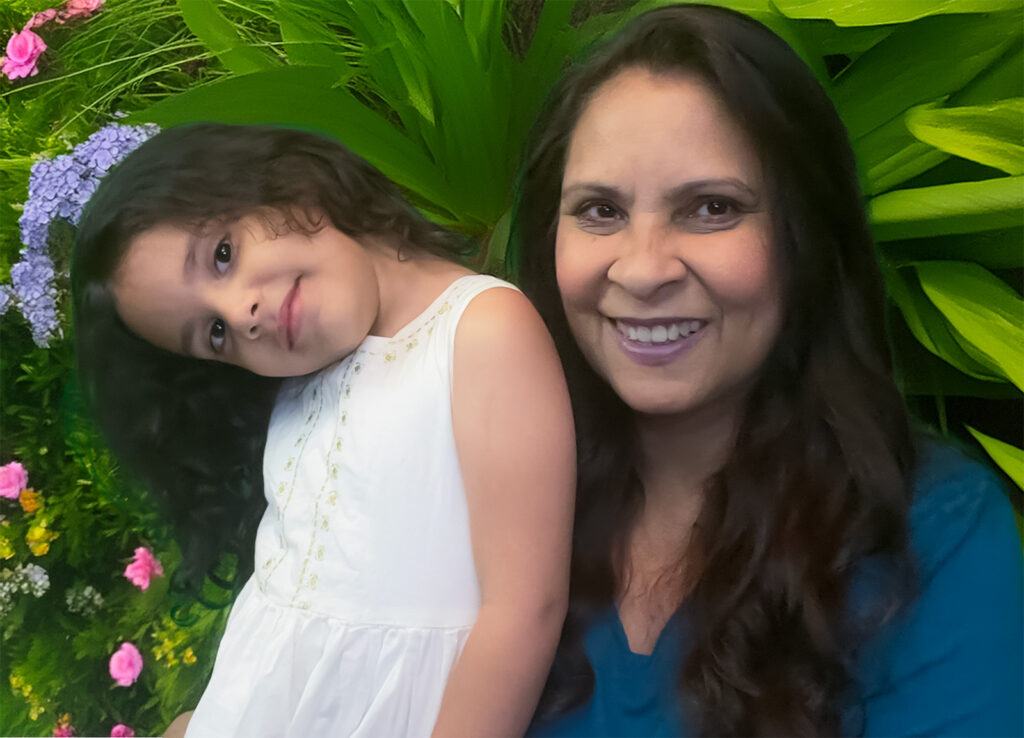
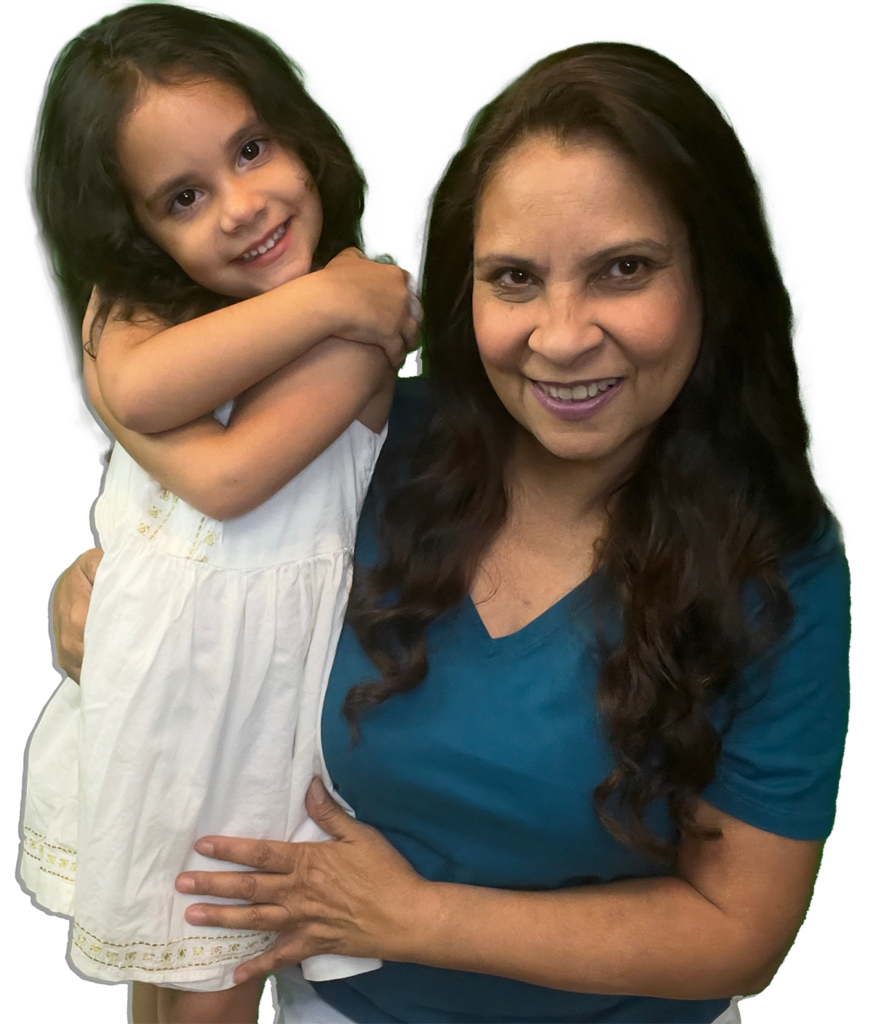
    I’ve been raising my granddaughter since she was just 5 months old. She’s now 7. It hasn’t been easy, and I want to share the truth, not just the good parts, but the tough ones too.

    This post is for every grandparent who has stepped into this role or is considering it. I want to help you make the right decision for your life, whether that means raising your grandchild or not.

    The Reality of Grandparents Raising Grandchildren

    When I became my granddaughter’s full-time caregiver, I never imagined how complex the journey would be. Like many grandparents raising grandchildren, I had to step in due to issues with the biological parents — in my case, my son and his child’s mother.

    There’s deep love, of course. But love alone isn’t enough.

    Before you decide to raise a grandchild, you need to consider so many real-life factors:

    • Your age and health
    • Your financial stability
    • Your mental and emotional energy
    • Your living situation
    • Your relationship with the child’s parents
    • Your long-term ability to care for a child
    Grandparents Raising Grandchildren
    It’s not just a loving gesture — it’s a whole lifestyle shift.

    Raising a Grandchild Doesn’t Mean Losing Yourself

    Grandparent caregivers often feel they’re giving up their retirement or golden years. And yes, some sacrifices are inevitable. But this doesn’t have to mean the end of your life as you knew it. It’s a change in direction, not a dead end.

    With the proper support, perspective, and preparation, this new path can still bring you joy, meaning, and purpose.

    But let’s be clear:

    ✅ Will there be sacrifices? Yes.

    ✅ Will you have to give things up? Certainly.

    ❌ Should you feel guilty if you decide not to raise your grandchildren? Absolutely not.

    Just because you say no doesn’t mean you don’t love them.

    Raising your grandchildren is a big decision. One that impacts your life and the child’s life. It’s okay to step back and say, “I just can’t do this.” That doesn’t make you a bad grandparent — it makes you an honest one.

    Essential Questions Every Grandparent Should Ask

    If you’re one of the many grandparents raising grandchildren, or are thinking about stepping into that role.

    Key questions to help guide your decision:
    1. Am I physically and emotionally able to do this long-term?
    2. How will raising a grandchild affect my finances or retirement?
    3. What legal rights or custody arrangements do I need?
    4. How will this impact my relationship with the child’s parents?
    5. Do I have the space and time to provide a stable home?
    6. Am I prepared to deal with emotional trauma or behavioral issues?
    7. What happens to my grandchild if something happens to me?
    8. Do I have a support system (family, friends, church, or community)?
    9. Can I adapt to new parenting styles, school systems, and technology?
    10. What will I lose and what might I gain?

    These are not easy questions, but they’re necessary.

    You Are Not Alone, Even If It Feels That Way

    When I started this journey, I wished I had other grandparents raising grandchildren to talk to. But people in our shoes can be hard to find. They’re often exhausted, overwhelmed, or quiet about their situation.

    That’s why I’m writing this — to speak to someone like you.

    Whether you’re already caring for a grandchild or considering it, know this:

    💬 You are not alone.

    💬 You are not selfish for thinking it through.

    💬 You are not weak for having doubts.

    Final Thoughts from a Grandmother in the Trenches

    Raising my granddaughter has tested me in every possible way, but it’s also given me a renewed sense of purpose. If this is the last big thing I do on this earth, I want to do it with honesty and love and help others do the same.

    This post is the beginning of a new series for my blog, where I’ll continue to talk about:

    • The legal side of grandparent custody
    • Financial help for grandparent caregivers
    • Setting boundaries with biological parents
    • Mental health and emotional burnout
    • Finding a balance between parenting and grandparenting

    If you are a grandparent raising your grandchild or thinking about it, I encourage you to follow along. And if you have a story to share, please don’t hesitate to reach out.

    We’re stronger when we lift each other and don’t have to walk this path alone.

    With love and strength,

    A grandmother who understands

  • Getting Into the Drone Hobby: What I Wish I Knew Before Buying My First Drone

    Getting Into the Drone Hobby: What I Wish I Knew Before Buying My First Drone

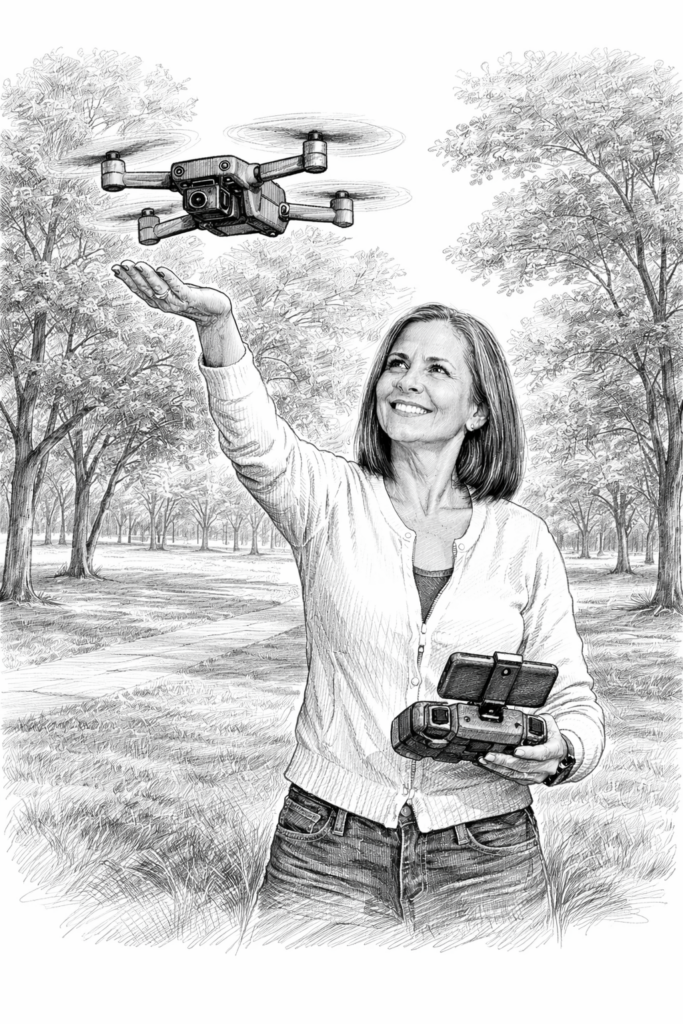
    Getting into the drone hobby wasn’t something I planned — but it turned into one of the most rewarding decisions I’ve made in retirement.

    Like many beginners, I wasn’t actively shopping for a drone. I was browsing Amazon for cameras and camera equipment when a drone appeared on my screen. It wasn’t loud or flashy. It just quietly showed up and stopped me in my tracks.

    I remember the internal debate clearly.

    Should I buy a drone?
    I wasn’t looking for this, but flying a drone had continually been a dream of mine. And then arrived the thought that sealed it: I’m retired. If something makes me happy, why not?

    The practical side of my brain tried to intervene.
    You don’t need it.
    You can wait.
    It’s expensive.

    That argument didn’t last long.

    Within minutes, I added the drone to my cart and purchased it — knowing almost nothing about the drone hobby beyond the fact that drones fly.

    What I didn’t know then was that buying a drone is the easiest part.

    Learning the Rules Is Part of the Drone Hobby

    When I started, I had no idea about FAA regulations, airspace limitations, or licensing. I genuinely wondered if I needed permission to fly over my own house.

    Yes. You often do.

    That first drone purchase opened the door toward a world I didn’t even know existed. Flying a drone responsibly means understanding airspace, following rules, and respecting both people and property on the ground. At first, that appeared overwhelming — but instead of pushing me away, it pulled me more deeply into the drone hobby.

    I studied. I practiced. I made mistakes. I learned why the rules exist and how to fly safely within them.

    Eventually, took the next step.

    Now, as a Part 107-certified drone pilot, I understand and follow FAA regulations. I plan every flight carefully and enjoy both flying and the discipline the hobby requires. The excitement of reviewing my videos comes from knowing the steps I follow to fly safely and responsibly.

    That’s something many new drone enthusiasts don’t realize when they’re first getting into the drone hobby.

    What New Drone Enthusiasts Should Know Before Buying a Drone

    This post isn’t about discouraging anyone from buying a drone. It’s about helping beginners ask the right questions before they spend their money.

    Many people enter the drone hobby thinking it’s as simple as buying a drone, charging the battery, and taking off. In reality, there’s a learning curve — and that learning curve can save you time, frustration, and money if you understand it early.

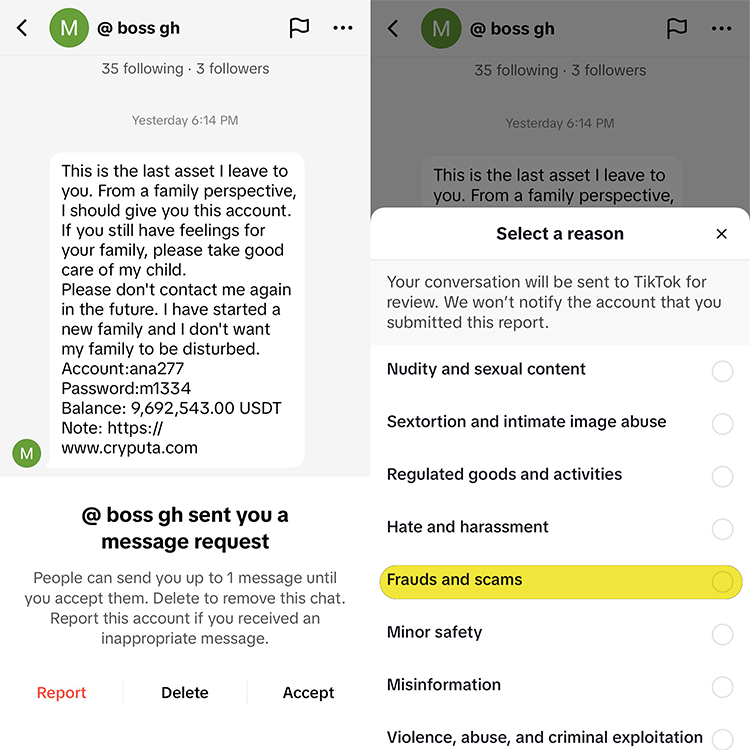
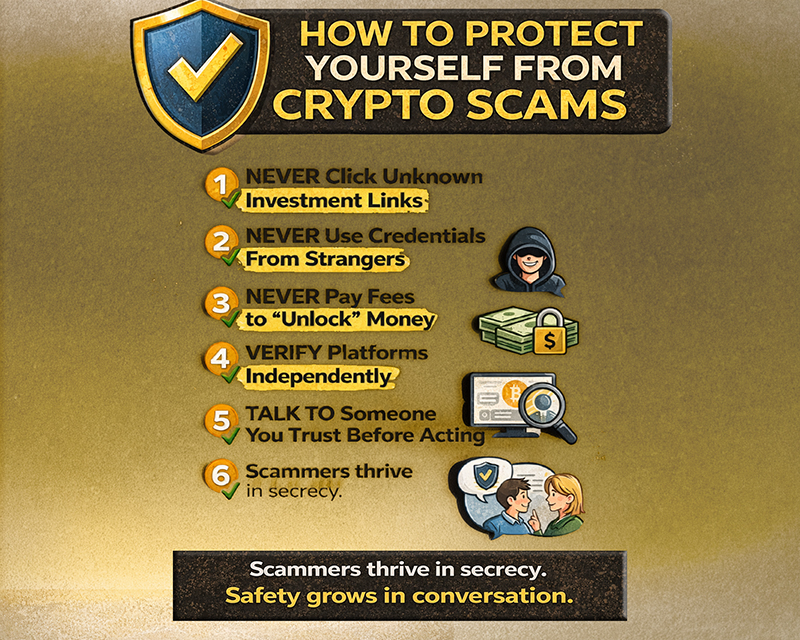
    It’s also important to know that the drone hobby attracts scammers who target beginners.

    Today, scammers use AI-generated ads, fake reviews, and realistic videos. They attract newcomers who don’t yet know what to watch for. These frauds often target beginners who want “too good to be true” deals or hope for shortcuts around rules and certifications. I’ve seen it happen more than once, and it’s one of the reasons I share my experiences publicly.

    As someone who started out of curiosity and earned a Part 107 license, I urge new drone pilots: Don’t let hype or misinformation mislead you. Be wary of deals that bypass rules, and always verify information before acting.

    This introduction is just a starting point.

    I have more tips to share about my drone hobby. My passion for the hobby is clear, but it does not cloud my passion to follow the rules.  Things like choosing the right drone and understanding FAA rules are small but vital parts of enjoying this hobby.  Learn with me how to prepare for the Part 107 exam and spot scams that target beginners.  I hope to help others enjoy flying drones the right way: safely, legally, and confidently.

    So before you take that first step, research, ask lots of questions, and learn the rules.  Commit to flying safely and confidently.  Start flying today as a responsible pilot who enjoys every flight.🚁🌤️

  • Technology for Seniors Wasn’t an Accident

    Technology for Seniors Wasn’t an Accident

    Technology for Seniors Wasn’t an Accident— It Was a Timeline Problem

    Technology advances rapidly, while people tend to move at a slower pace.

    And here’s the critical truth many people never hear:

    Physical and mental challenges are part of everyday life as we age, and the creators of modern technology did not build technology with that in mind.

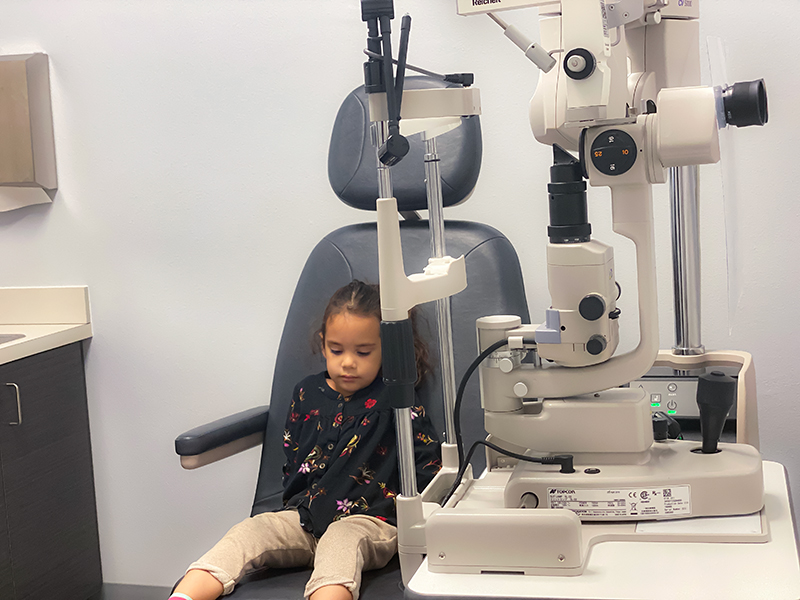
    • Vision often declines, especially contrast sensitivity and the ability to read small text
    • Fine motor control can be affected, making precise taps and swipes harder
    • Working memory and processing speed may slow, increasing cognitive load
    • Multitasking becomes more mentally taxing

    For seniors, the text gets smaller. Menus get deeper. Gestures replace buttons. Updates move settings without warning.

    None of this means seniors are “bad with technology.”

    It means the technology evolved without checking whether it still worked for them.

    A Brief Reality Check on How Tech Was Built

    Bill Gates, Steve Jobs, and their peers were young when personal computing began in the 1970’s and 1980’s. Early Personal computing users were young professionals, engineers, and students.

    Designers built technology for strong eyesight, fast reaction times, and comfort with experimentation. As technology evolved, it continued to cater to those assumptions. Silicon Valley culture has long prioritized innovation speed over accessibility. Aging wasn’t part of the design conversation. And let’s be honest, most young people don’t imagine themselves growing old. So the future keeps getting built for the present.

    Today’s seniors find themselves caught in a challenging situation.

    Seniors caught in the middle create a unique tension.

    Today’s seniors spent most of their lives without digital technology, as computers, smartphones, and the internet emerged after they had established their careers, raised families, and formed their habits.

    Meanwhile, future seniors will age with technology—but aging will still affect their bodies and minds. Familiarity alone does not erase physical or cognitive change.

    So we must ask how we design technology that respects aging.

    One place to start is focusing on what actually matters. Things such as making text easier to see, reducing constant and annoying notifications, and removing unnecessary apps.

    Scams are becoming more rampant and harder to spot, so we need to learn to distinguish real messages from scams.

    Devices are more expensive, and fear of breaking them may make it difficult for anyone, not just seniors, to focus on the settings needed to protect their investment, as they worry about breaking or removing something vital to device operation.

    Stress that even small wins, like simple adjustments, can significantly improve seniors’ technology experience and encourage ongoing efforts toward accessible design.

    Technology should support independence, not threaten it.

    iMarly