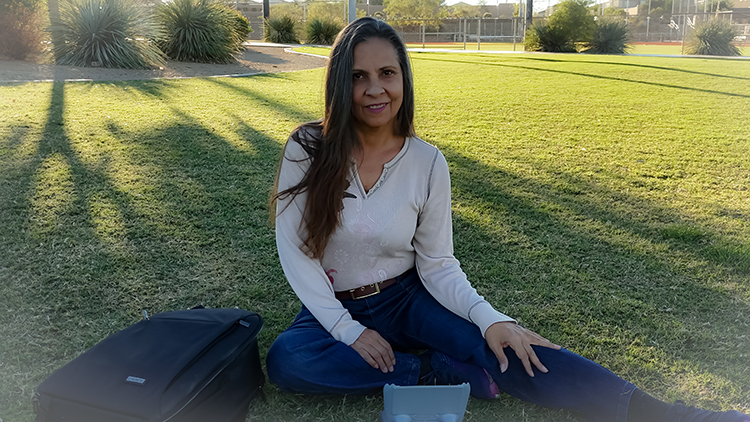
Getting into the drone hobby wasn’t something I planned — but it turned into one of the most rewarding decisions I’ve made in retirement.
Like many beginners, I wasn’t actively shopping for a drone. I was browsing Amazon for cameras and camera equipment when a drone appeared on my screen. It wasn’t loud or flashy. It just quietly showed up and stopped me in my tracks.
I remember the internal debate clearly.
Should I buy a drone?
I wasn’t looking for this, but flying a drone had continually been a dream of mine. And then arrived the thought that sealed it: I’m retired. If something makes me happy, why not?
The practical side of my brain tried to intervene.
You don’t need it.
You can wait.
It’s expensive.
That argument didn’t last long.
Within minutes, I added the drone to my cart and purchased it — knowing almost nothing about the drone hobby beyond the fact that drones fly.
What I didn’t know then was that buying a drone is the easiest part.
Learning the Rules Is Part of the Drone Hobby
When I started, I had no idea about FAA regulations, airspace limitations, or licensing. I genuinely wondered if I needed permission to fly over my own house.
Yes. You often do.
That first drone purchase opened the door toward a world I didn’t even know existed. Flying a drone responsibly means understanding airspace, following rules, and respecting both people and property on the ground. At first, that appeared overwhelming — but instead of pushing me away, it pulled me more deeply into the drone hobby.
I studied. I practiced. I made mistakes. I learned why the rules exist and how to fly safely within them.
Eventually, took the next step.
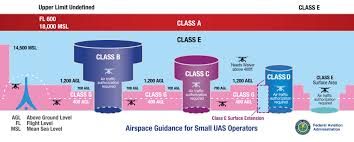
Now, as a Part 107-certified drone pilot, I understand and follow FAA regulations. I plan every flight carefully and enjoy both flying and the discipline the hobby requires. The excitement of reviewing my videos comes from knowing the steps I follow to fly safely and responsibly.
That’s something many new drone enthusiasts don’t realize when they’re first getting into the drone hobby.
What New Drone Enthusiasts Should Know Before Buying a Drone
This post isn’t about discouraging anyone from buying a drone. It’s about helping beginners ask the right questions before they spend their money.
Many people enter the drone hobby thinking it’s as simple as buying a drone, charging the battery, and taking off. In reality, there’s a learning curve — and that learning curve can save you time, frustration, and money if you understand it early.
It’s also important to know that the drone hobby attracts scammers who target beginners.
Today, scammers use AI-generated ads, fake reviews, and realistic videos. They attract newcomers who don’t yet know what to watch for. These frauds often target beginners who want “too good to be true” deals or hope for shortcuts around rules and certifications. I’ve seen it happen more than once, and it’s one of the reasons I share my experiences publicly.
As someone who started out of curiosity and earned a Part 107 license, I urge new drone pilots: Don’t let hype or misinformation mislead you. Be wary of deals that bypass rules, and always verify information before acting.
This introduction is just a starting point.
I have more tips to share about my drone hobby. My passion for the hobby is clear, but it does not cloud my passion to follow the rules. Things like choosing the right drone and understanding FAA rules are small but vital parts of enjoying this hobby. Learn with me how to prepare for the Part 107 exam and spot scams that target beginners. I hope to help others enjoy flying drones the right way: safely, legally, and confidently.
So before you take that first step, research, ask lots of questions, and learn the rules. Commit to flying safely and confidently. Start flying today as a responsible pilot who enjoys every flight.🚁🌤️